
What Are Common Reasons for Dog Skin Issues?
Dry dog skin care in winter is essential as dry skin in dogs can result from a variety of factors, some of which are environmental, while others are related to diet, health conditions, or grooming habits. Here are some common causes of dry skin in dogs:
Environmental Factors
During the fall and winter, the air becomes drier, and humidity levels drop. This lack of moisture in the air can cause your dog’s skin to lose its natural oils, leading to dryness and flakiness. Additionally, indoor heating systems, which are commonly used during these seasons, can further reduce humidity levels, exacerbating the problem.
Diet
A poor diet lacking essential nutrients, particularly omega-3 and omega-6 fatty acids, can contribute to dry skin. These fatty acids are crucial for maintaining healthy skin and a shiny coat. Dogs that are not receiving adequate nutrition may develop dry, itchy skin.
Allergies
Dogs can suffer from both environmental and food allergies, which can cause dry skin. Common allergens include pollen, dust mites, mold, certain foods, and even some grooming products. Allergies can lead to inflammation, redness, and dry, flaky skin.
Parasites
Fleas, ticks, and mites can irritate your dog’s skin, causing itching, redness, and dryness. In some cases, these parasites can lead to more severe skin conditions if not addressed promptly.
Grooming Habits
Over-bathing or using harsh shampoos can strip the skin of its natural oils, leading to dryness. On the other hand, insufficient grooming can lead to a buildup of dead skin cells and dirt, which can also contribute to dry skin.
Underlying Heath Conditions
Certain medical conditions, such as hypothyroidism or Cushing’s disease, can cause changes in the skin’s health, including dryness. If your dog is experiencing persistent dry skin, it’s important to consult with a veterinarian to rule out any underlying health issues.
WHY FALL AND WINTER WORSEN DRY SKIN?
The colder months bring about environmental changes that can exacerbate dry skin in dogs. Here’s how fall and winter specifically contribute to this problem:
Lower Humidity Levels
As the weather cools down, the air becomes less humid, particularly in indoor environments where heating systems are used. The decrease in humidity can cause your dog’s skin to lose moisture, leading to dryness and flakiness.
Increased Use of Heaters
While heaters keep your home warm and cozy, they also reduce the moisture in the air. This can lead to a drier environment that strips your dog’s skin of its natural oils, making it more prone to dryness and irritation.
Less Frequent Baths
In colder weather, many dog owners reduce the frequency of baths to avoid exposing their pets to cold water and chilly air. While this is understandable, it can lead to a buildup of dead skin cells and dirt, which can contribute to dry skin.
Winter Walks and Exposure to the Elements
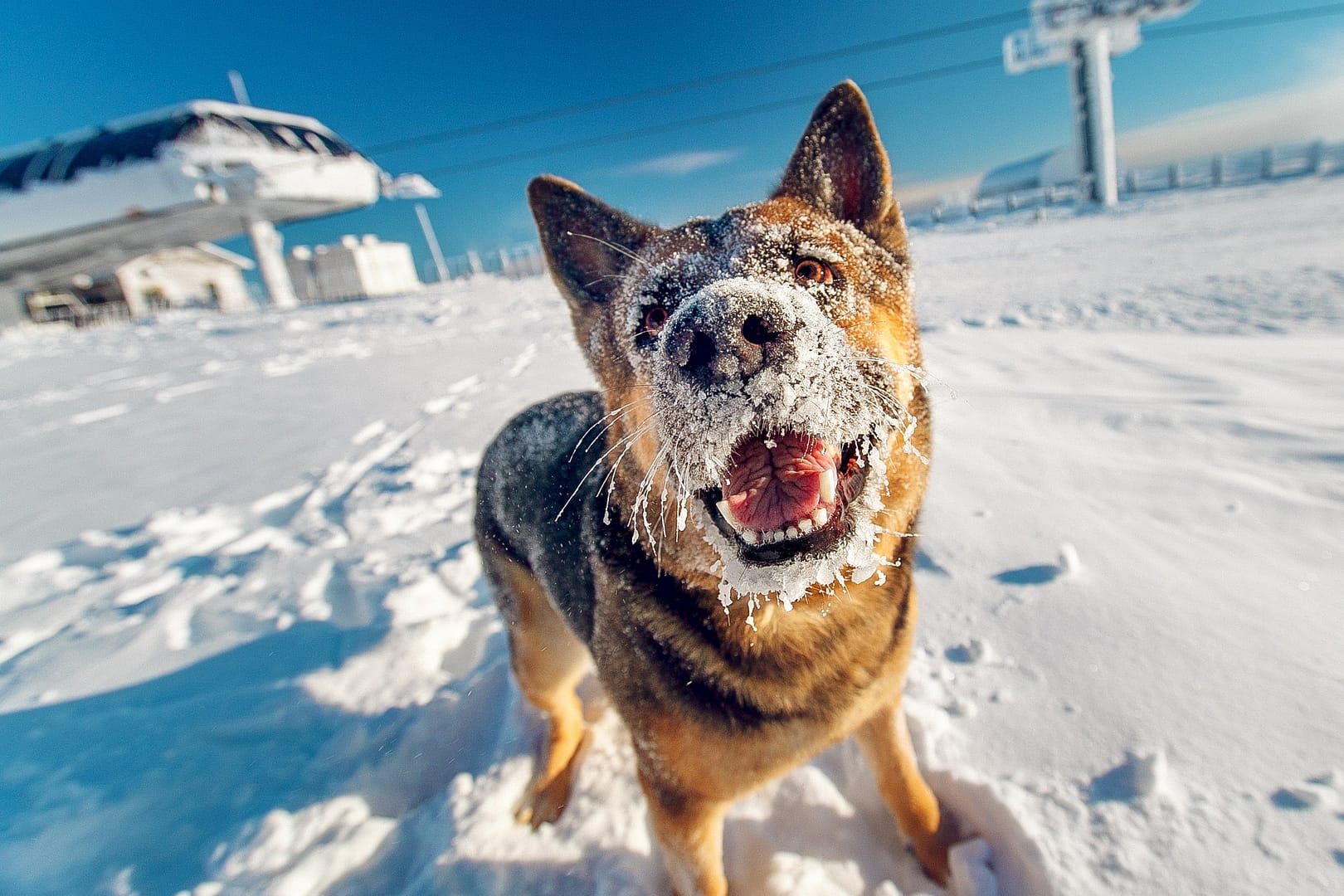
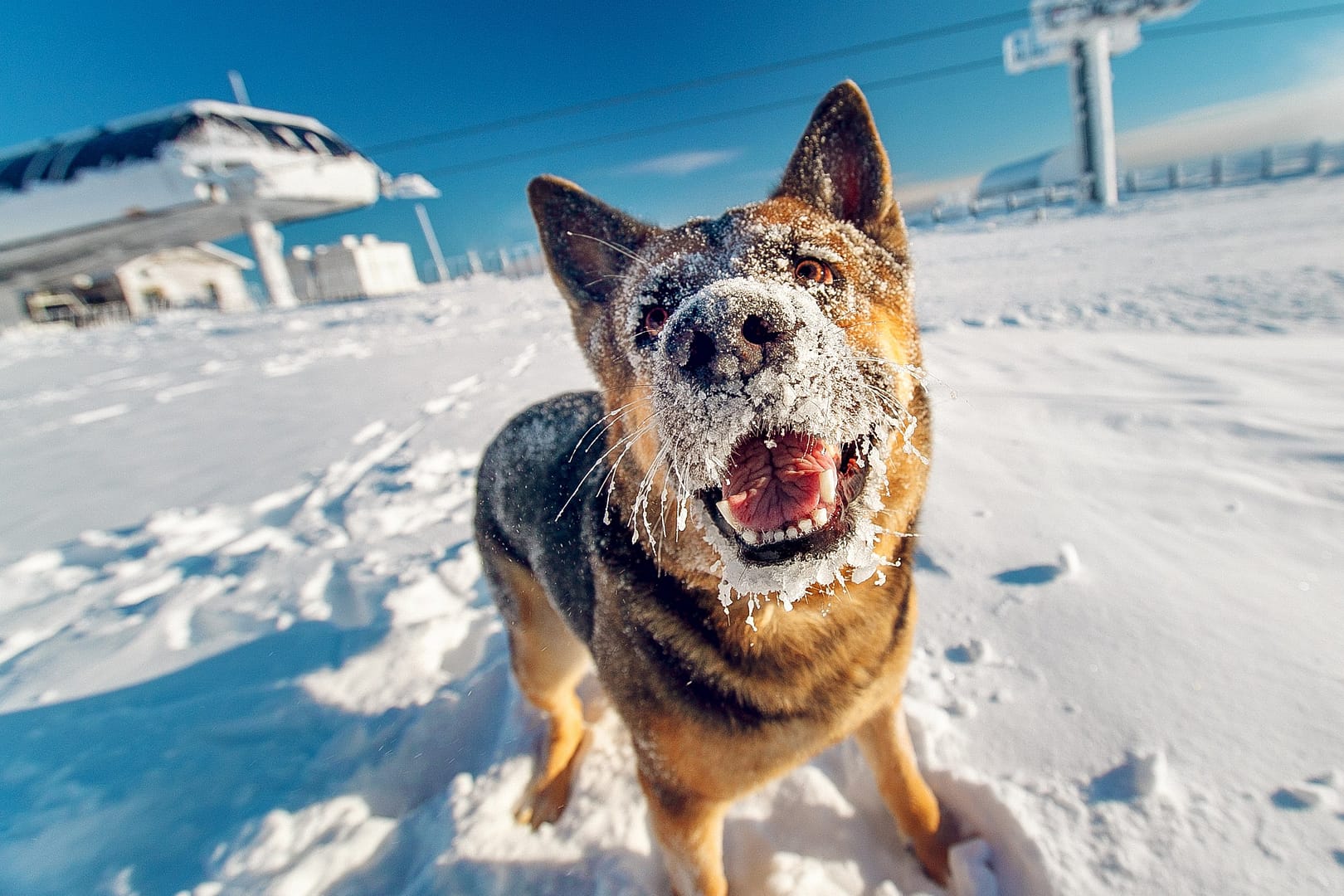
Dogs still need their daily exercise, even in cold weather. However, exposure to cold winds, snow, and ice can dry out their skin, particularly on their paws and noses. Additionally, salt and de-icing chemicals used on sidewalks can irritate and dry out their paw pads.

PREVENTING AND TREATING DRY DOG SKIN IN FALL AND WINTER
Now that we understand the causes of dry skin in dogs and why it becomes more prevalent during the fall and winter months, let’s explore some effective ways to prevent and treat this common issue.
-1- Adjust Your Dog’s Diet
One of the most effective ways to prevent dry skin is to ensure that your dog is receiving a balanced diet rich in essential fatty acids. Omega-3 and omega-6 fatty acids are crucial for maintaining healthy skin and a shiny coat. These can be found in high-quality dog foods that include ingredients like fish oil, flaxseed, and chicken fat. Additionally, you can consider adding supplements like fish oil or omega-3 capsules to your dog’s diet, but always consult your veterinarian before introducing any new supplements.
-2- Bathe and Groom Regularly
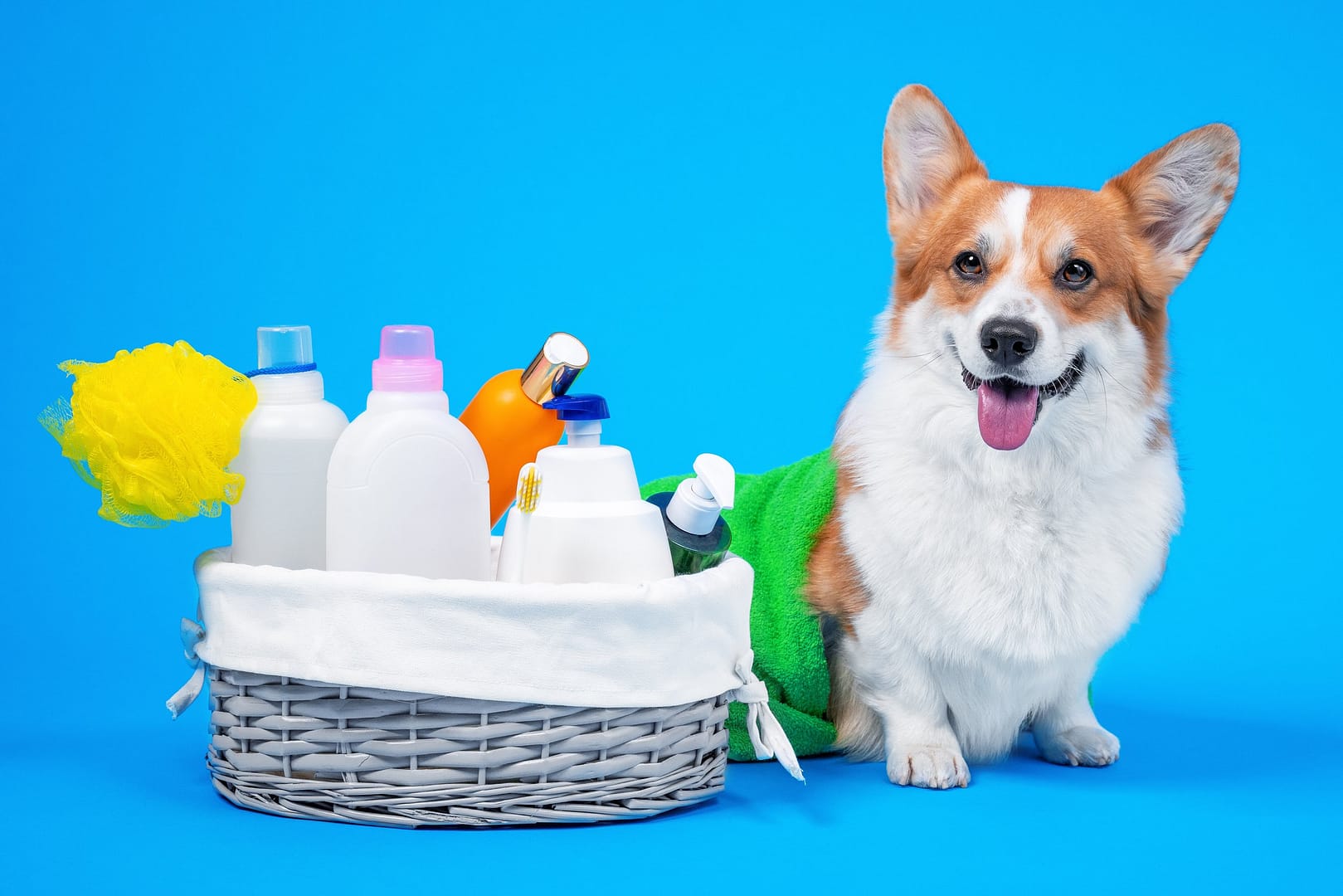
While it’s important not to over-bathe your dog during the colder months, regular grooming is still essential to maintain healthy skin. Here are some grooming tips for fall and winter:
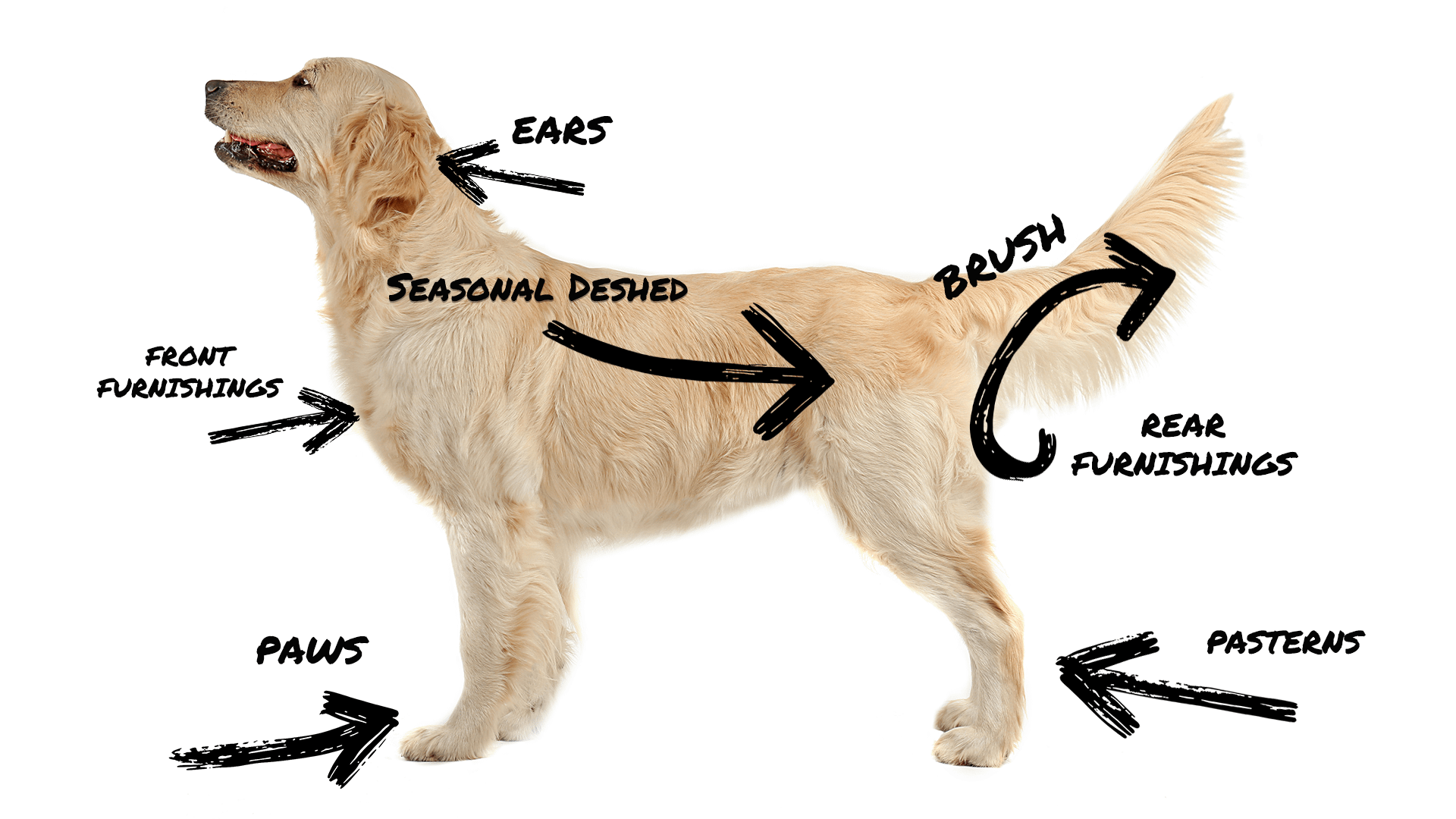
- Brush Regularly: Regular brushing helps remove dead skin cells, dirt, and loose fur, which can prevent dry skin. It also stimulates the production of natural oils that keep the skin moisturized.
- Use Moisturizing Shampoos: When bathing your dog, use a moisturizing shampoo specifically designed for dogs with dry skin. Avoid using human shampoos, as they can be too harsh for your dog’s sensitive skin. Follow up with a conditioner that is formulated to retain moisture in the skin and coat.
- Limit Bath Frequency: During the colder months, reduce the frequency of baths to avoid stripping the skin of its natural oils. A bath every 4-6 weeks is usually sufficient, depending on your dog’s breed and activity level.
-3- Keep Your Environment More Humid
Maintaining the right humidity levels in your home can significantly reduce the risk of dry skin in dogs. Here are some tips to keep the environment comfortable for your pet:
- Use a Humidifier: Adding a humidifier to your home can help maintain moisture in the air, preventing your dog’s skin from drying out. This is especially important in rooms where your dog spends most of their time.
- Keep Water Accessible: Ensure that your dog has access to fresh, clean water at all times. Hydration is key to maintaining healthy skin, so encourage your dog to drink plenty of water, especially if the air is dry.
-4- Protect Your Dog’s Paws and Skin from the Elements
Winter walks can be harsh on your dog’s skin, especially their paws. To protect them from the cold and prevent dry skin, consider the following:
- Paw Protection: Before heading out for a walk, apply a paw balm or wax to your dog’s paws. This will create a barrier against the cold, snow, and salt, preventing irritation and dryness. After the walk, wipe your dog’s paws with a damp cloth to remove any salt or chemicals.
- Winter Apparel: For dogs with short coats or those prone to dry skin, consider using a dog sweater or coat during winter walks. This will help protect their skin from cold winds and retain their body heat.

-5- Address Allergies and Irritants
If your dog suffers from allergies, it’s important to manage them effectively, especially during the fall and winter months when environmental allergens can still be present. Here’s how to address allergies and irritants:
- Identify and Avoid Allergens: Work with your veterinarian to identify any allergens that may be affecting your dog’s skin. This may involve dietary changes or avoiding certain environments. Once identified, take steps to minimize your dog’s exposure to these allergens.
- Use Hypoallergenic Products: If your dog has sensitive skin, use hypoallergenic grooming products that are free from harsh chemicals, fragrances, and dyes. These products are less likely to irritate your dog’s skin and can help prevent dryness.
-6- See Your Veterinarian Regularly
Regular veterinary check-ups are essential to maintaining your dog’s overall health, including their skin. If your dog is experiencing persistent dry skin or if you notice any unusual symptoms like hair loss, redness, or sores, it’s important to consult your veterinarian. They can rule out any underlying health conditions and recommend appropriate treatments or interventions.
-7- Research Supplements for Skin Health
In addition to a balanced diet, certain supplements can help support your dog’s skin health during the fall and winter months. Here are a few options to consider:
- Fish Oil Supplements: Rich in omega-3 fatty acids, fish oil supplements can help maintain your dog’s skin moisture and reduce inflammation. They are particularly beneficial for dogs with dry skin or allergies.
- Coconut Oil: Applying coconut oil to your dog’s skin can provide relief from dryness and itching. It can also be added to their diet to promote overall skin and coat health.
- Vitamin E: This antioxidant can be applied topically or added to your dog’s diet to help improve skin elasticity and moisture retention.
So…ready to conquer dry dog skin in the winter?
Sure, dry skin is a common issue for dogs during the fall and winter months, but with the right care and prevention strategies, you can keep your dog comfortable and healthy. By adjusting your dog’s diet, maintaining regular grooming habits, protecting them from the elements, and addressing any underlying health issues, you can prevent dry skin and ensure that your dog’s skin and coat remain in top condition throughout the colder seasons.
Remember, each dog is unique, and what works for one may not work for another. It’s important to monitor your dog’s skin closely, especially during the fall and winter, and consult with your veterinarian if you have any concerns. With proper care and attention, you can help your dog enjoy the cooler months without the discomfort of dry skin. Happy Grooming; you’ve got this!
#petgroomingpost


Leave a Reply