
Dog Nail Clipping is essential for keeping nails short and smooth. It helps dogs walk comfortably, supports healthy leg and paw structure, and prevents painful mishaps like snagging, splitting, or injury.
So why is dog nail clipping so scary?
Dog nail clipping is a bit scary because we’re dealing with a nail structure different than what we see on humans. With people, we can visibly see exactly where the dead part of the nail is and how far we can cut without getting into the pain zone.
For our dogs, their nail (or really their claw) structure is not only different, but they also sometimes have pigmentation (think black) that does not allow you to see where the dead nail can be cut safely without hitting the pain zone (the vein and nerve, also called “the quick”).
Fortunately, we have tools and techniques that can help us get through clipping dog nails safely, but to do this, we first need to understand the basic anatomy of a dog’s nail.
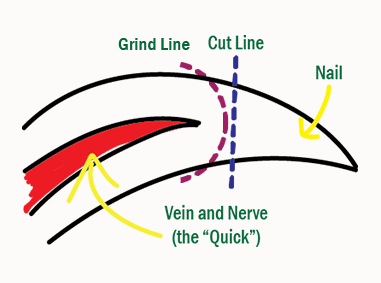
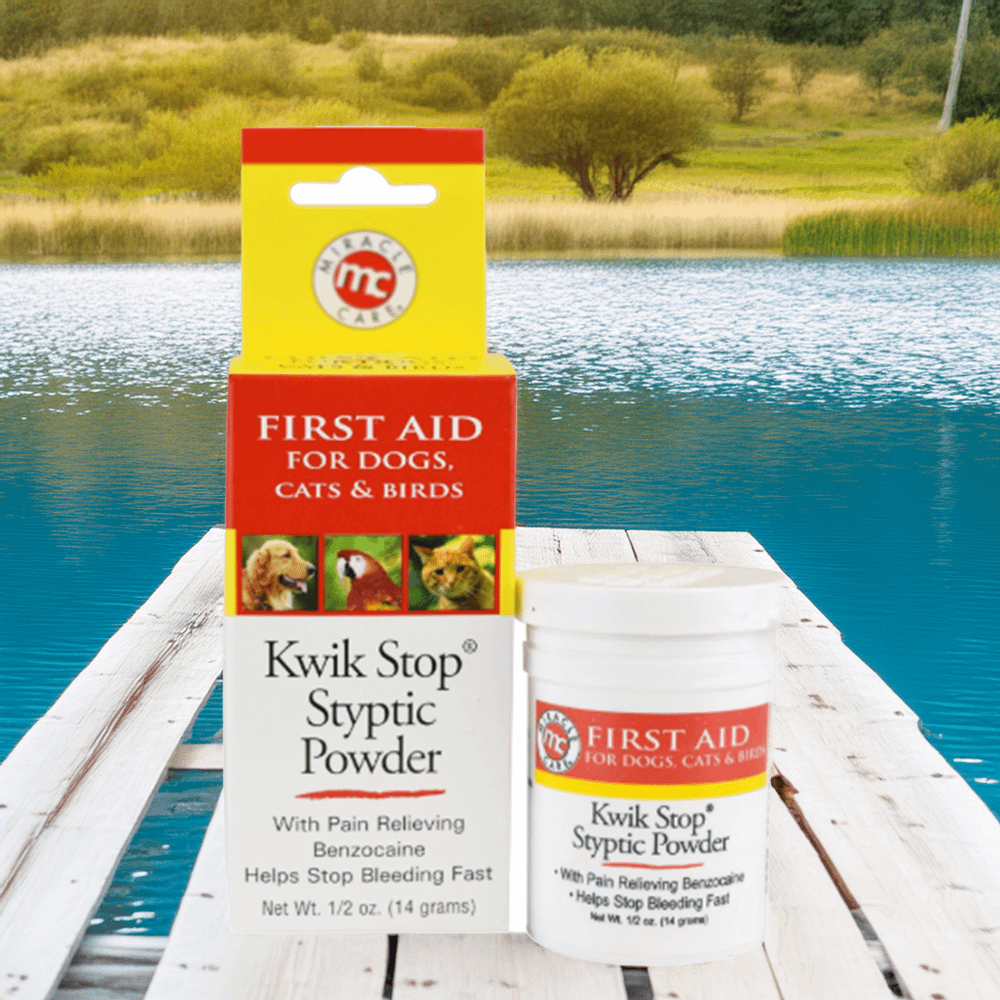
Although most of a dog’s nail is external, inside lies the quick, a nerve and blood supply that, if cut, can cause pain and bleeding. Our goal is to trim only the dead nail while avoiding the quick. If we accidentally cut it, a clotting agent like styptic powder is essential to stop the bleeding.
The quick’s length varies by dog—some have short quicks, others long, and even within the same dog, quicks may differ due to gait and nail wear. Breed, nail shape, and activity level also affect nail growth. In short, each nail requires careful observation and a customized trimming approach.
Check for Dew Claws
Dew claws are commonly found above the front paws, but some breeds have rear dew claws as well (and some breeds have two sets of rear dew claws!), so make sure to check for those!
If your pet has dew claws, you will find they tend to curl much more than the regular front-facing nails. They also seem to grow faster in comparison to other nails, but this is usually because of their location on the body resulting in no friction or wear. It’s always best to stay on top of clipping dew claws so that they do not curl and grow into the skin of the pet.
Need help with dew claw trimming?
Receding the quick
Well-maintained short nails, whether clipped or naturally worn down, cause the quick to recede. A shorter quick allows for shorter nails, benefiting paw health and improving appearance.
Is it necessary to cut as close to the quick as possible?
For professionals, either groomers or veterinary technicians, the answer is yes, to varying degrees (veterinary technicians typically cut shorter than groomers). But for home groomers trying to maintain their pet’s nails at home, cutting a little bit of nail is better than not cutting any nail at all.
Nail trimming is a learning process, and it takes some time to build up the proper confidence (and to make sure your pet has a good experience)! Trimming little bits will help build that confidence, so don’t worry about getting close to the quick if you are just starting out.
It’s ok, both you and your pet should become accustomed to the process as long as it is always kept positive.
Does every dog need their nails clipped?
All dogs need nail maintenance, but some naturally keep them short through regular walks and activity. Most pets, however, need trimming to keep their nails in check—so keep reading for tips to get it right!
Does the quality of my nail trimming tools matter?
Quality grooming tools are essential! A sharp, high-quality nail trimmer prevents breakage and splitting. When trimming near the quick, a good trimmer allows you to shave off small bits until you see the nail’s inner layers change, signaling you’re close to the quick.
Be prepared with Styptic Powder or a good clotting agent
Before we go into the types of tools available for nail trimming, there is a critical point that must be made in concern to safety. Any time you are cutting dog’s (and many other species) nails, it is crucial to be prepared with styptic powder or an alternative clotting agent to treat the nail in case there is an accident.
There are few things worse in grooming than having a bleeding nail that you cannot treat quickly. The vein in a nail tends to bleed a great deal, so the clotting agent will ensure that the bleeding stops (and if it doesn’t stop within a few minutes, it is advised to call your veterinarian!). To understand how to apply styptic powder to a bleeding nail, this video can help:
Need a clotting agent?
Clipping vs. Grinding
Think you can skip clipping and just grind your dog’s nails? Only if they’re already short. Active dogs walking on concrete may only need a quick grind to smooth them out. However, most salon pets get both clipping for length and grinding for smoothness.
Grinding long nails can increase anxiety due to noise, time, and risks like catching hair or overheating. If your dog’s nails are long, plan to clip before grinding.
A few final notes on grinding:
– Be careful when working with a rotating grinder around a pet whose hair can be caught in the sanding band.
– Watch out and do not get your own hair caught!
– Always wear eye protection when grinding dog’s nails. Nail pieces can fly fast and unpredictably while nail grinding.
– Make sure you keep the pets face far away from the grinder to prevent them from licking the grinder or getting nail particles into their face or eyes.
Our video on Cutting Black Dog Nails and Grinding Black Dog Nails demonstrates how to use a grinder safely!
My dog just won’t let me touch his paws or claws – how do I do this?
If your pup refuses to let you touch their paws, start a desensitization regimen with patience and time. Many owners succeed by briefly touching their pet’s feet in a relaxed environment and rewarding them calmly. With time, most dogs grow comfortable with paw handling.
Some dogs panic due to past bad experiences, like a nail cut too short. If your pet shows severe distress, seek professional help. A groomer can assess stress levels and determine if medical referral is needed.
Most dogs tolerate nail trimming but rarely enjoy it. Expect some fussiness, stay positive, reassure them, and get help if needed—it’s for their benefit!
Now, let’s explore the best tools for nail clipping!
Types of Nail Trimmers
Nail clippers come in two basic types: Scissor Style or Guillotine.
Scissor Style Nail Clippers
As the name implies, scissor style nail clippers are shaped like scissors, but with the cutting end shaped and edged differently to accommodate dog claws.
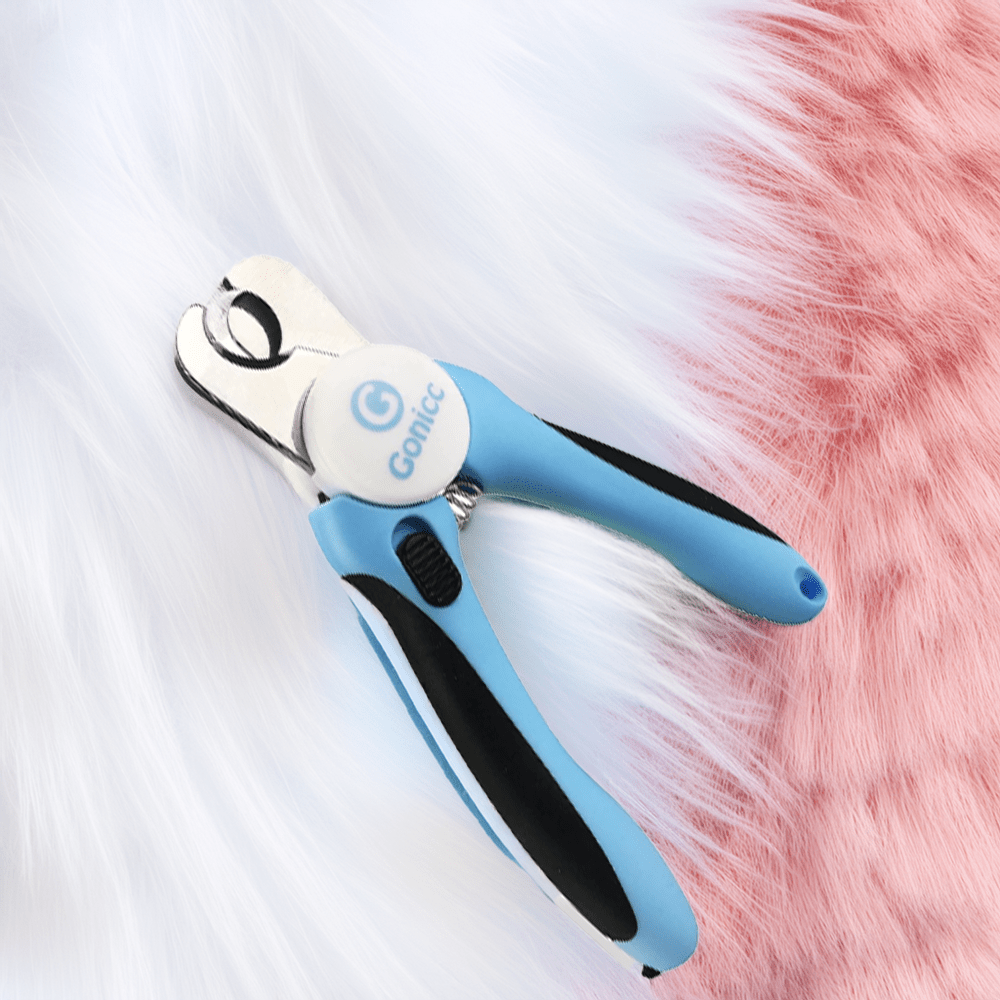
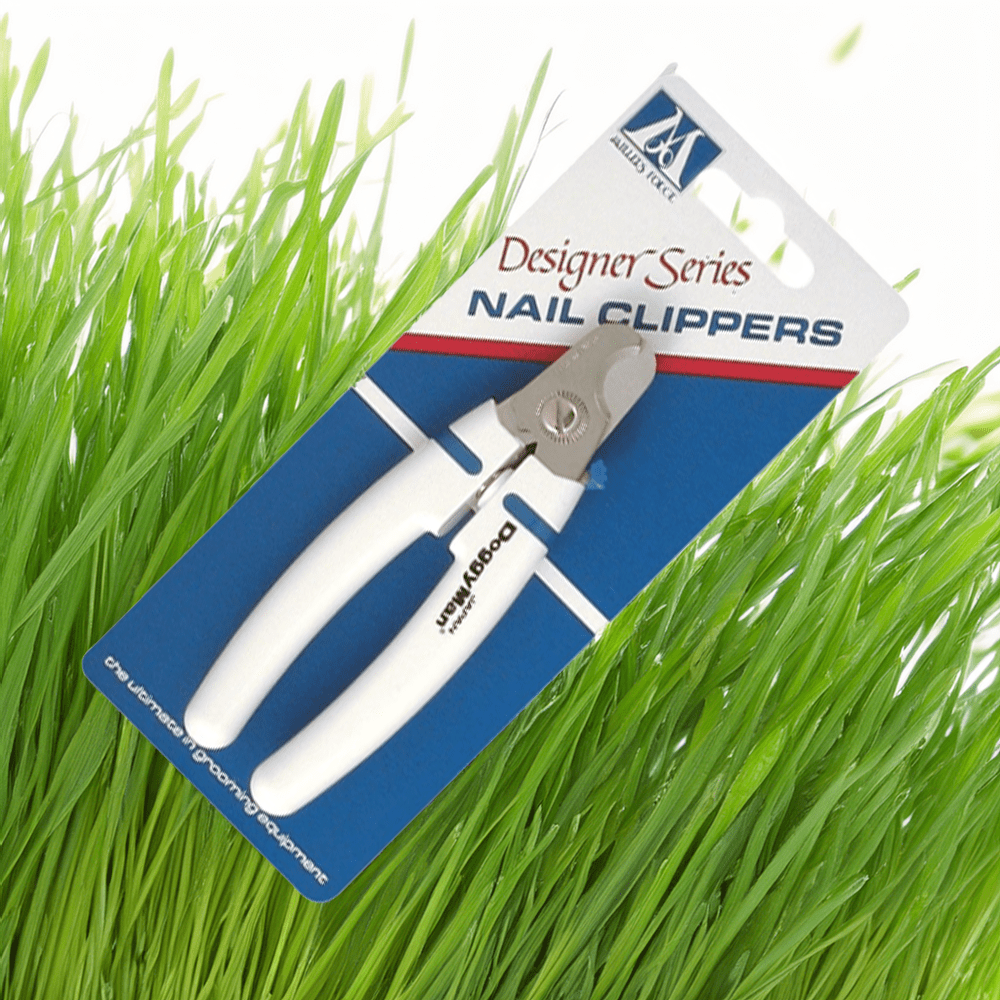
Scissor style nail clippers can range from basic to super fancy. Choose the style and price point that may work best for you, but always focus on the quality of your grooming tools – it matters. Here are some of our favorites as well as some neat-o cutting edge (no pun intended) nail clippers:
Guillotine Style Nail Clippers
Guillotine-style nail clippers differ from scissor-style clippers, using a blade that moves over an opening when the handles are squeezed. Many groomers prefer them, as some models allow blade replacement for a consistently sharp tool.
Let’s look at some of the nail clippers available in a guillotine style:
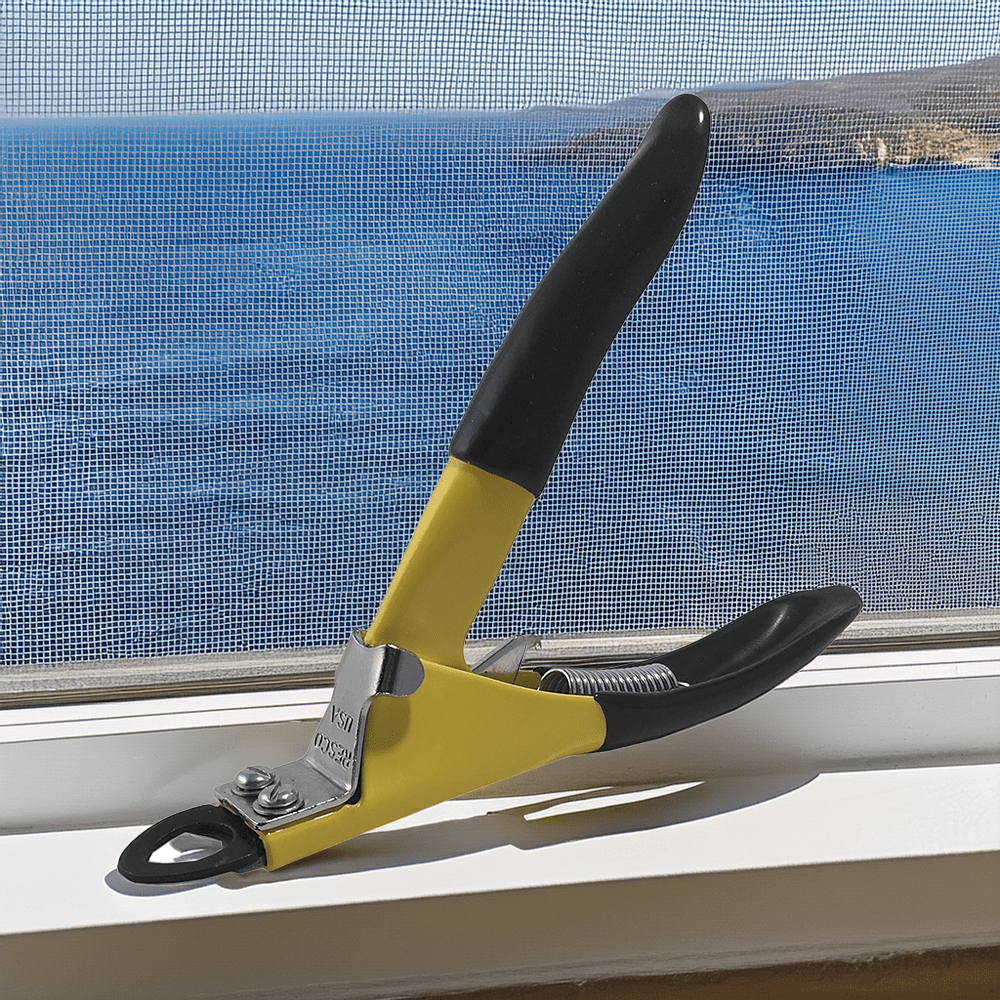
Resco Deluxe Large Nail Clipper
Grind the edges for a perfectly smooth finish
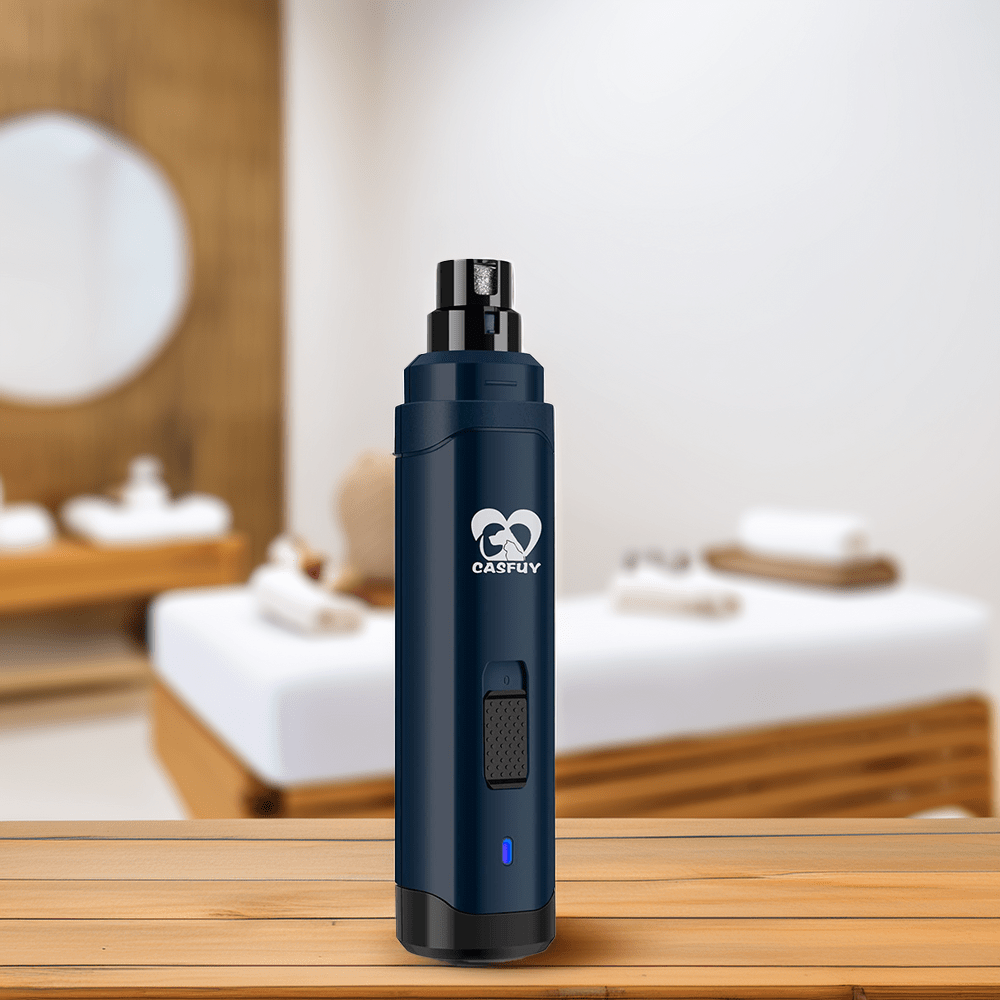
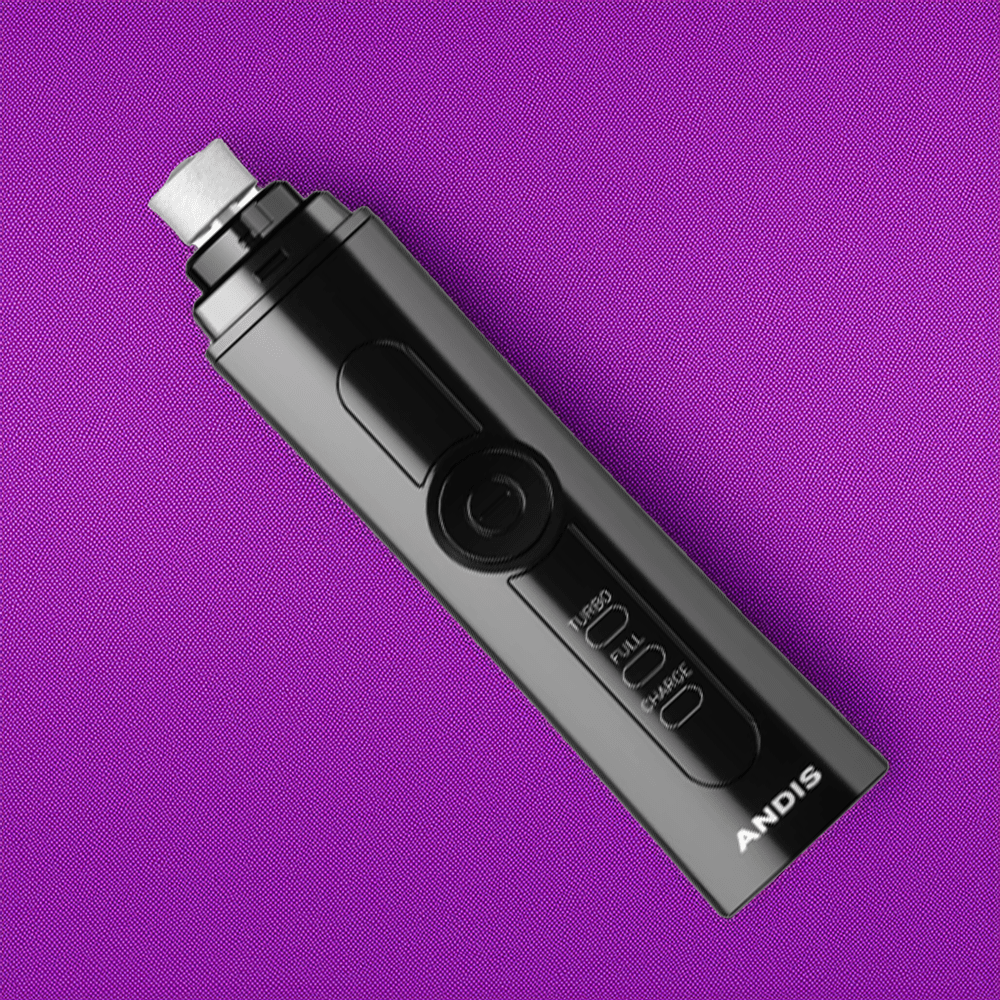
Now that we have our nails nicely clipped with our good tools (and we were prepared with styptic powder, of course!), it’s time to file any sharp edges off of the nails. Remember all the safety precautions – they really matter! When you’re ready to grind, you have some options:
Final thoughts on dog nail clipping
Now that you understand dog nail anatomy, key tips, and the right tools, you’re ready for successful trimming! It can be challenging, even for pros, but it’s all for your pet’s well-being. Good luck—you’ve got this!
#DogNailClipping #HowToCutDogNails #DogGrooming #SafeDogNailTrim #CuttingDogNails #DogNailCare #DogPawCare #TrimmingDogNails #DogNailTrimmingTips #NailClippingForDogs #DogNailGrooming #DogNailMaintenance #HealthyDogNails #CuttingBlackDogNails #DogNailSafety