
Every pet parent knows they should be brushing your dog’s coat regularly. But how often should it be done? Which brush works best? And when should de-shedding come into play?
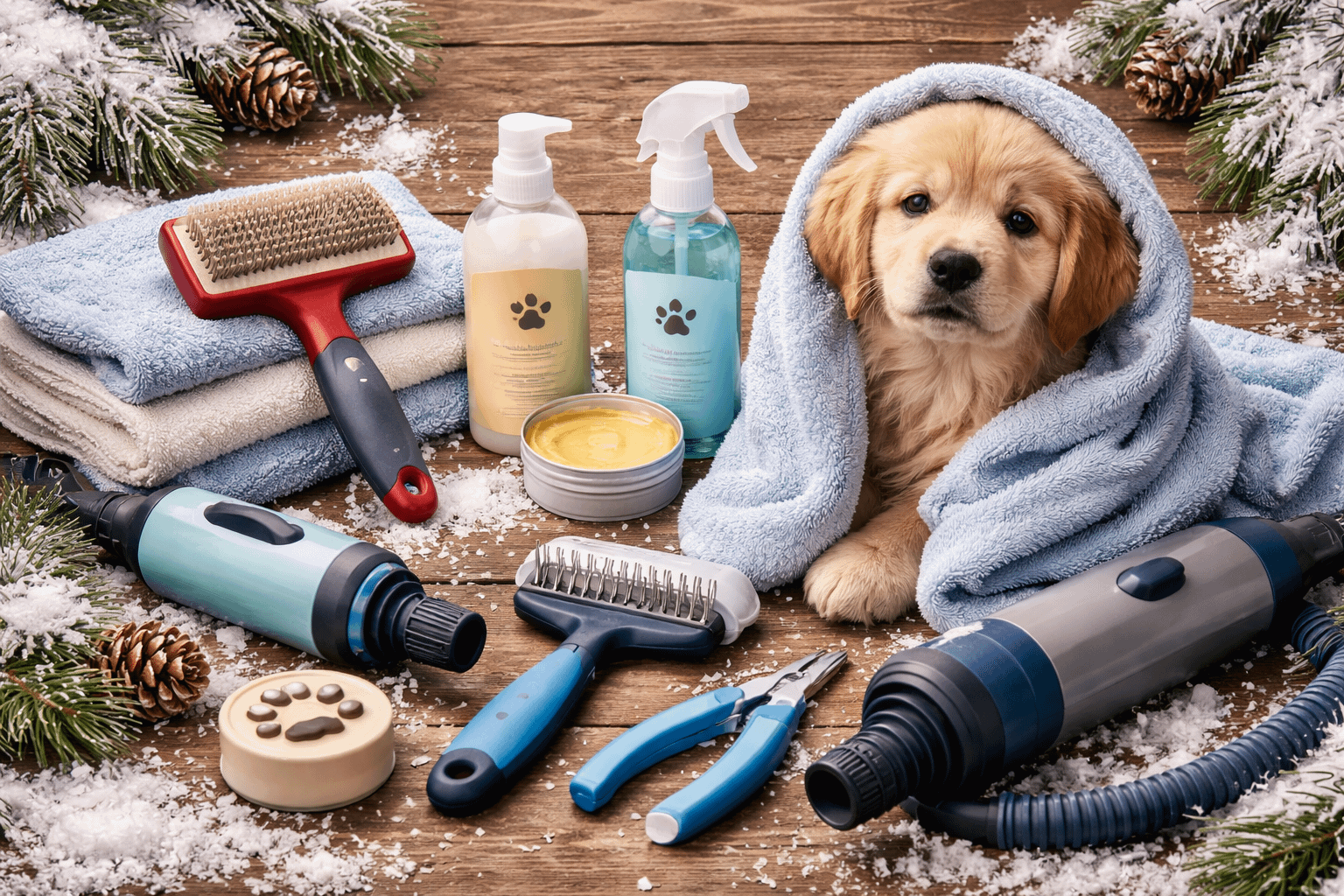
Brushing plays a vital role in maintaining your dog’s coat health. Choosing the right brush for your dog’s coat type is essential for preventing matting, reducing shedding, and keeping their fur shiny. What shampoo is best for dogs also goes hand in hand with proper brushing, as a good grooming routine includes both bathing and brushing.
To help you make informed choices, we’ll explore the best brushing techniques, brush types, and how to match them with your dog’s coat.
Who knew? Brushing your dog has many health benefits!
Many people think of brushing as just a way to prevent tangles. While that’s true, brushing has many more benefits than you may realize.
Brushing helps with circulation
Using the right brush and following the coat’s natural direction stimulates circulation. This increases the flow of nutrients and oxygen to the skin.
Brushing helps stimulate new coat growth
By stimulating hair follicles, brushing promotes healthy coat growth and ensures your dog’s fur remains strong and shiny.
Brushing helps distribute natural oils
How to brush a dog’s coat effectively involves distributing natural oils evenly. These oils keep the coat moisturized and reduce dryness.
Brushing helps your dog stay cooler
Proper brushing techniques aerate the coat, allowing air to reach the skin. This helps regulate temperature, especially for double-coated breeds.
Brushing prevents matting
Regular brushing prevents matting, which affects both single and double-coated breeds differently. If left unmanaged, matting can cause pain and discomfort.
Brushing removes dead coat
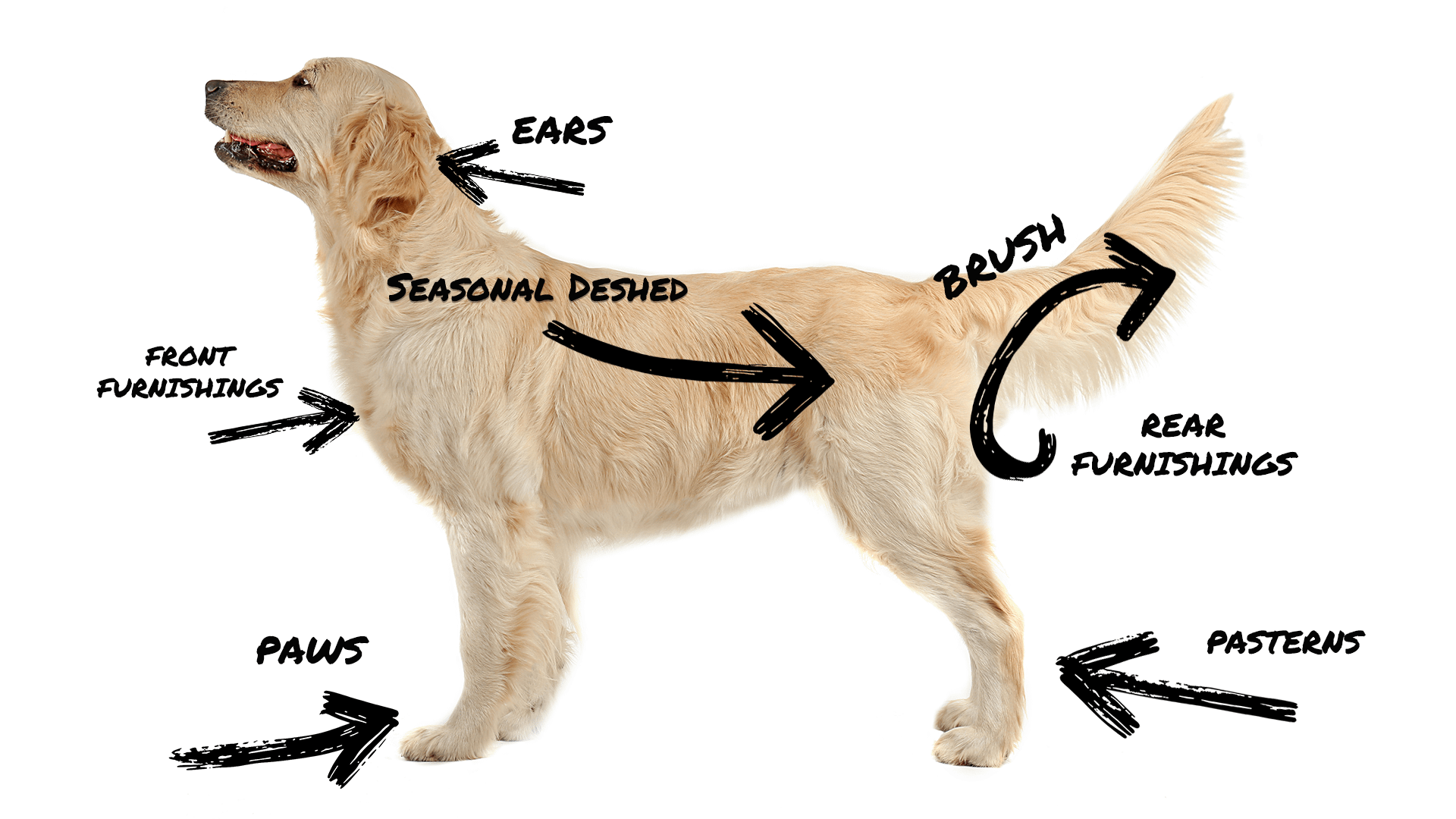
Shedding varies by breed and season. Double-coated dogs shed more in spring and fall, requiring frequent brushing. Single-coated breeds need year-round brushing to prevent tangling and remove dead topcoat.
So, how often should I brush my dog?
With over 200 AKC-recognized breeds, plus countless mixed breeds, determining a brushing schedule may seem overwhelming. Don’t worry! Let’s break it down.
Know your dog’s coat type
The frequency of brushing depends on two factors: coat length and coat density. Short-haired breeds, like Labrador Retrievers, need less brushing than long-haired breeds, like Afghan Hounds.
To check your dog’s coat type, visit AKC.org, search for their breed, and look under “Traits and Characteristics” in the “Physical” section. Now that you know your pet’s coat type, let’s break down the best brushing practices for each type.
What kind of brush should I use on my dog?
Different brushes should be used for different coat types, although there are some intersections, and some breeds require multiple types of brushes to get the job done right.
We’re going to go through the recommended brushing regimen for each coat type as listed by the AKC, including recommended frequency and type of brushe(s). For more information on any of these brushes, you can read our article on Types of Pet Brushes (Coming soon). And remember, each pet is a little different and even between the same breed or litter, coats can vary. Use the following guidelines as a good starting point but modify your regimen to fit your pet’s particular needs.
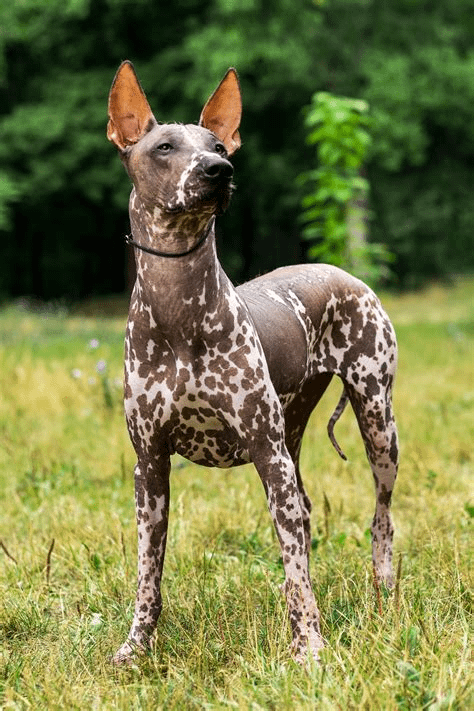
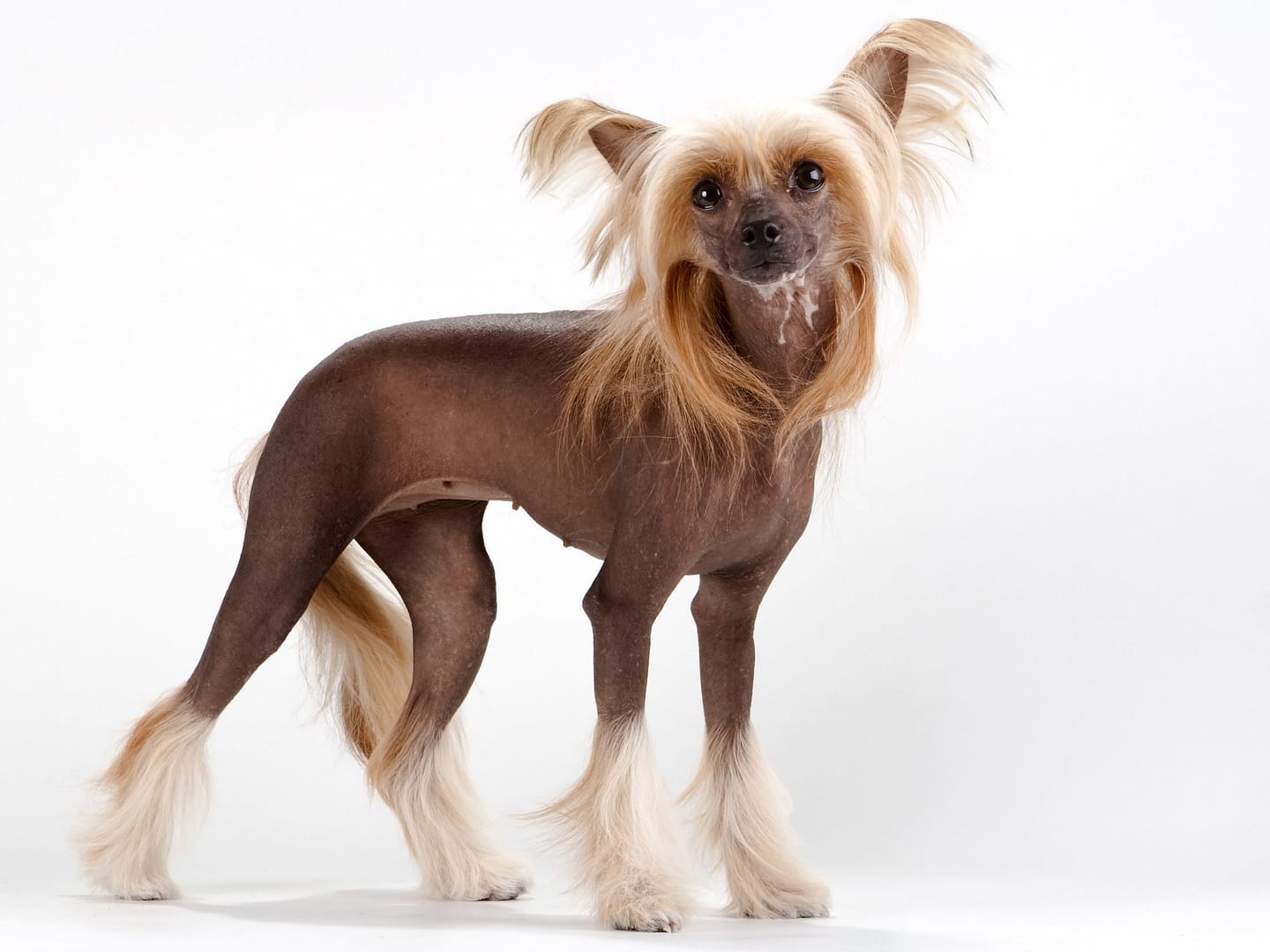
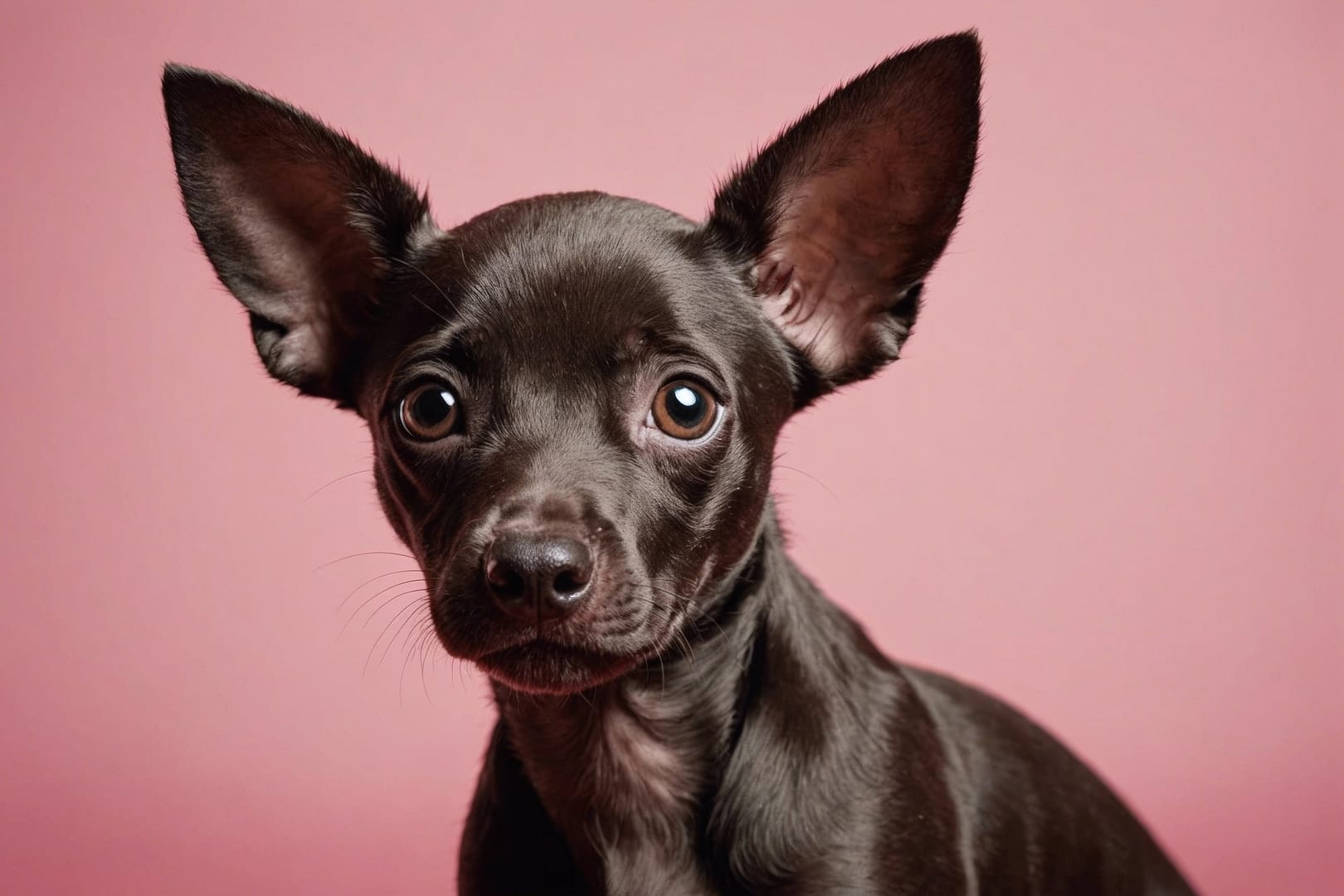
Hairless Breeds
Although these breeds have little or no hair, brushing stimulates the skin and spreads natural oils.
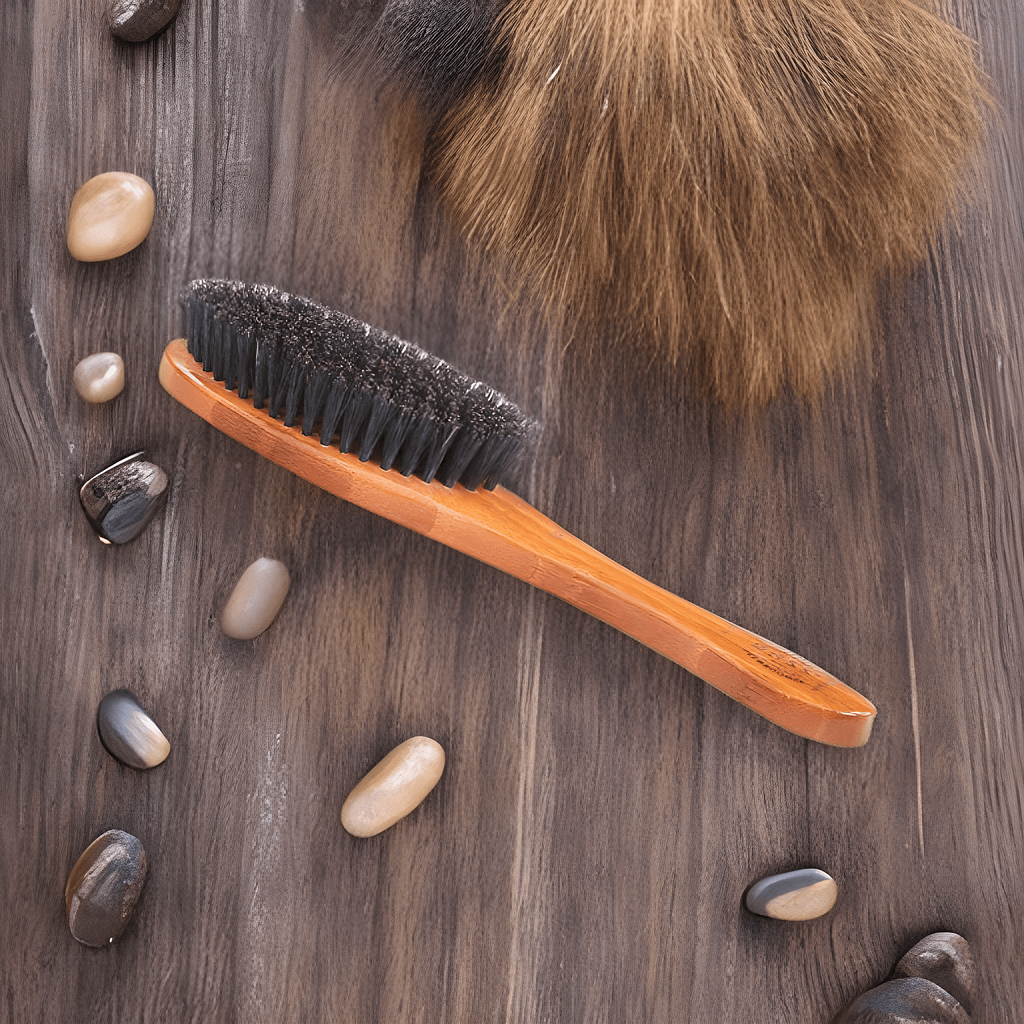
Hairless Breed Brush Type: Soft Boars Hair Bristle Brush
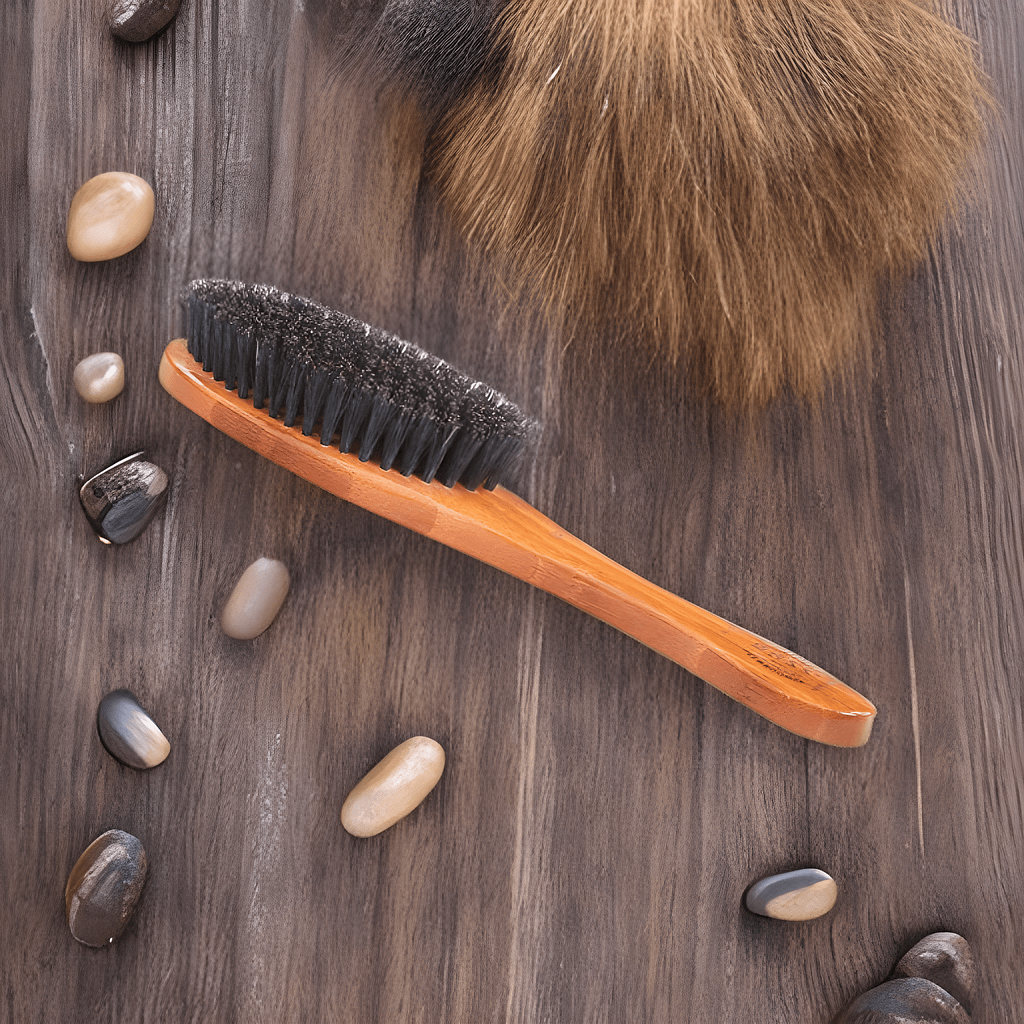
Hairless Breed Brushing Frequency: Infrequent
De-shedding requirements: Not Applicable
Some Hairless Breeds that you may know!: Chinese Crested, Xoloitzcuintli
Wavy Coats
Since wavy coats come in different lengths, brushing frequency should match coat length. The goal is to keep hair separate, remove dead coat, and prevent matting.
Wavy Coat Brush Type: Pin Brush (for show dogs) and Slicker Brush (for most pets)
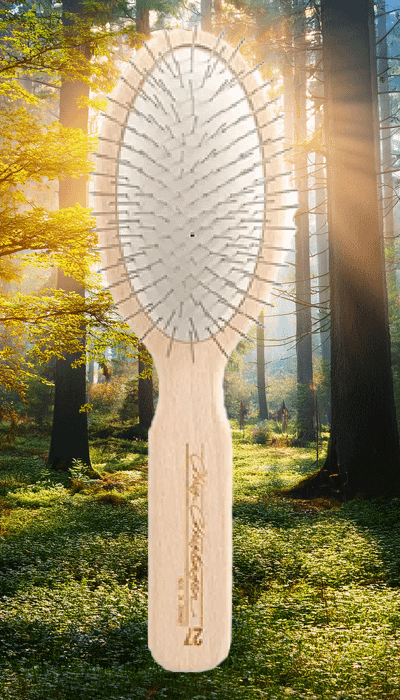
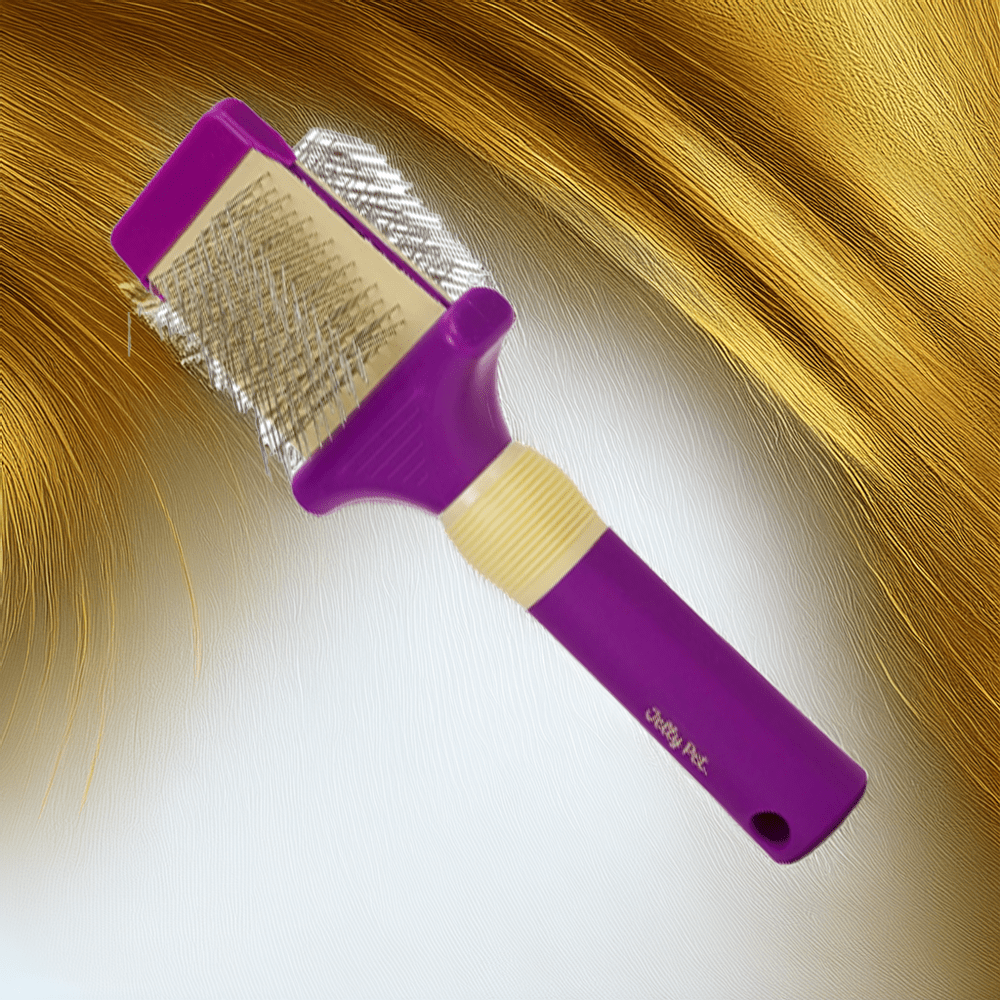
Brushing Frequency: Daily to Weekly, depending on coat length
De-shedding requirements: Medium. Wavy coated dogs can definitely shed, but the shedding can usually be managed with basic, regular brushing.
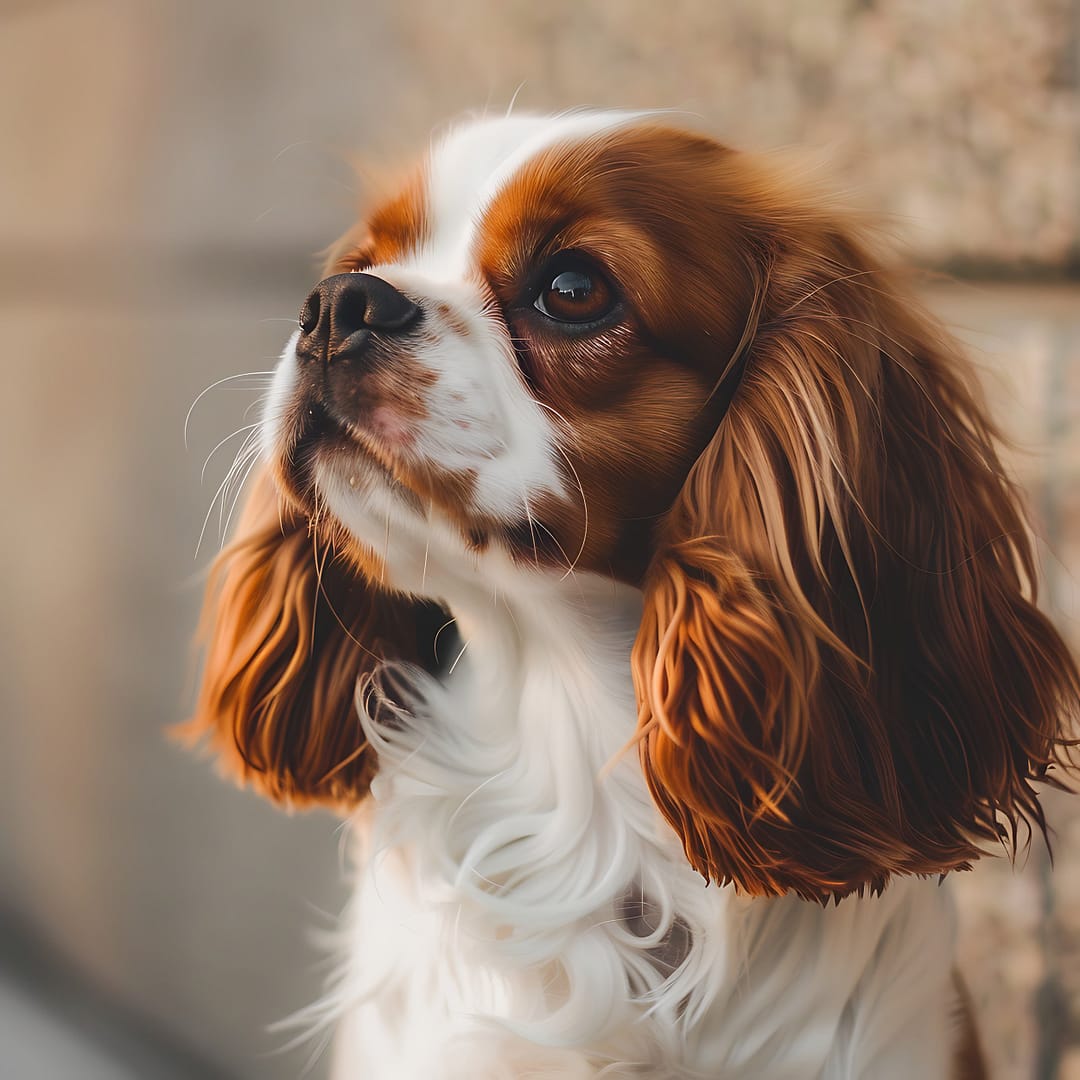
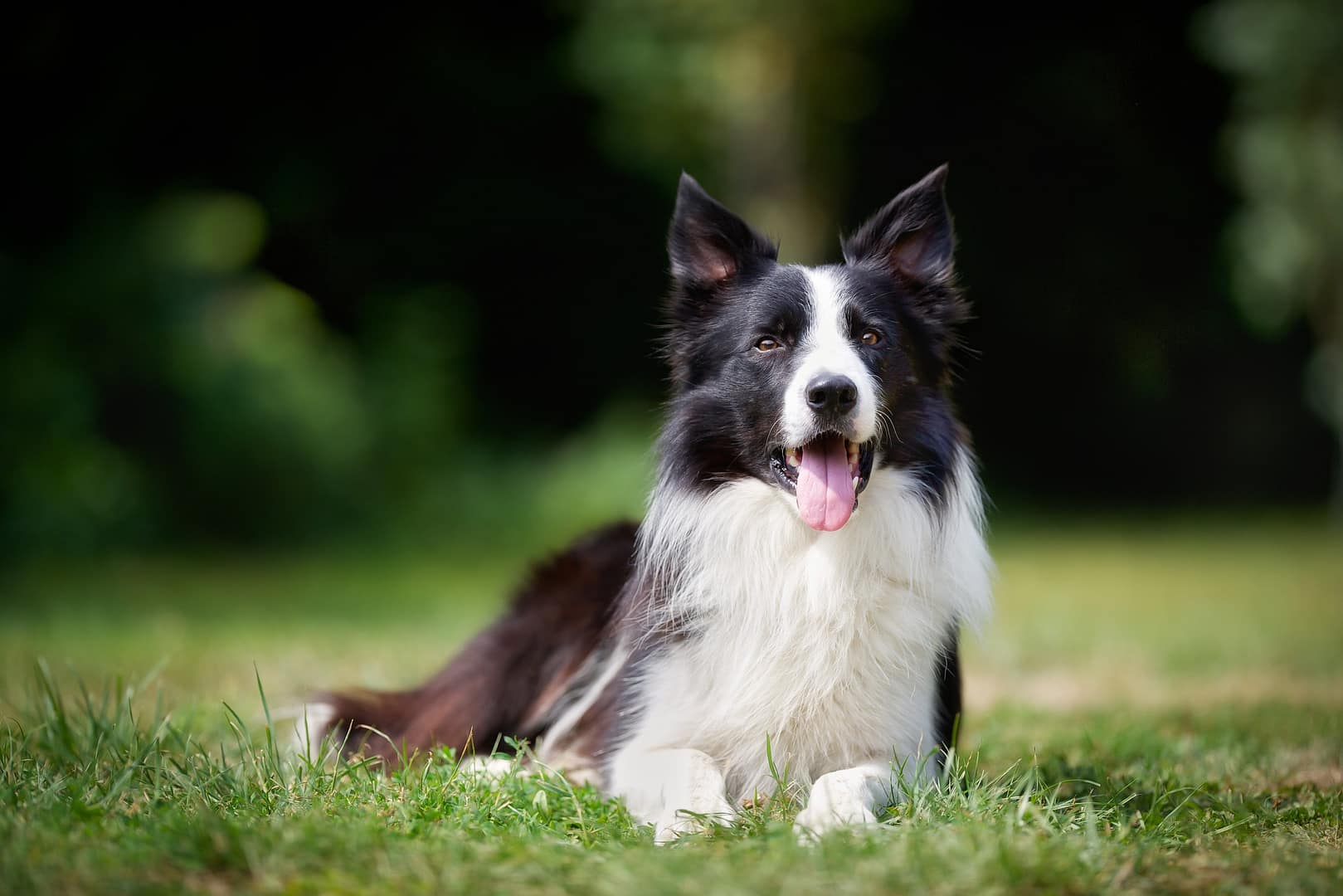
Some familiar Wavy Coat breeds: Cavalier King Charles Spaniel, Briard, Border Collie
Rough Coats
Many rough-coated breeds have a thick double layer. Brushing removes undercoat and prevents matting. Always follow up with a comb to ensure thorough grooming.
Rough Coat Brush Type: Slicker Brush
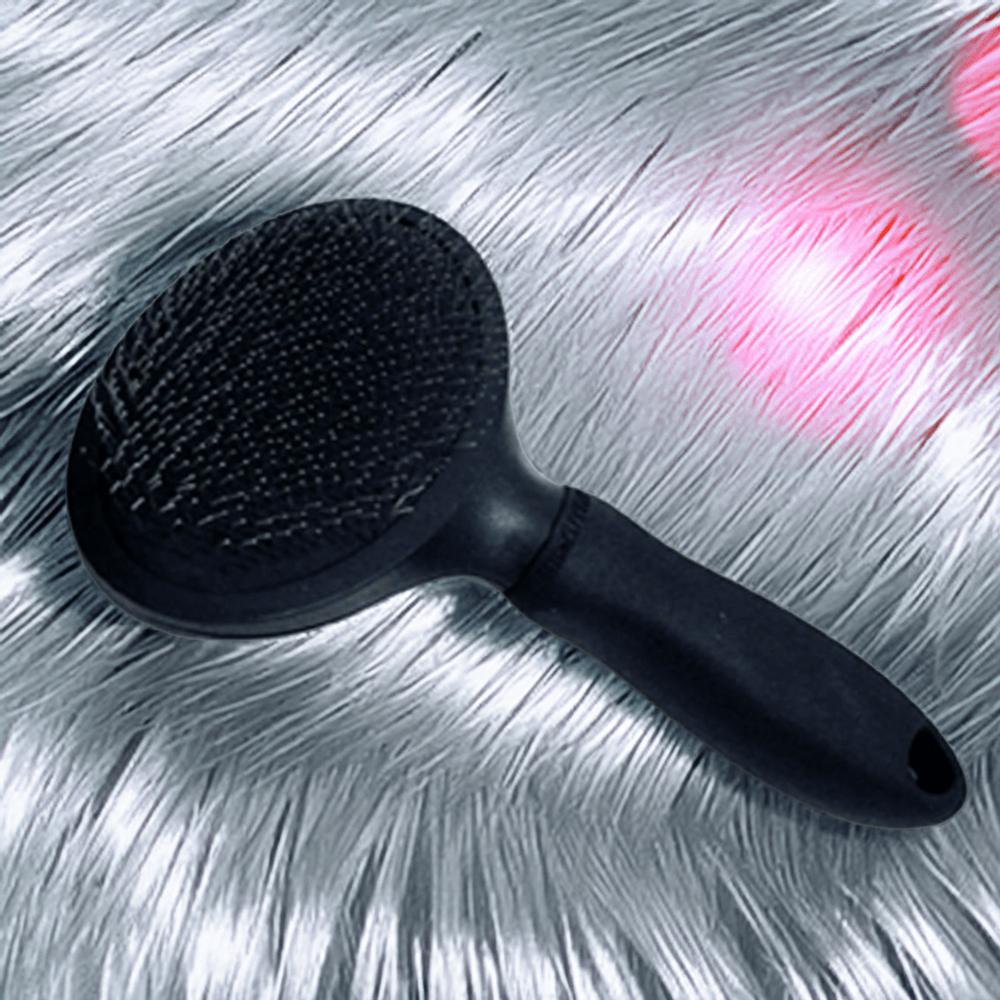
Brushing Frequency: Daily to Weekly, depending on coat length and thickness
De-shedding Requirements: Medium to High. Some of the pups in this category are going to be shedding considerable undercoat, especially as seasons change. Be prepared with thorough brushing and combing on a regular basis to encourage dead coat to shed into your brush (not into your house!)
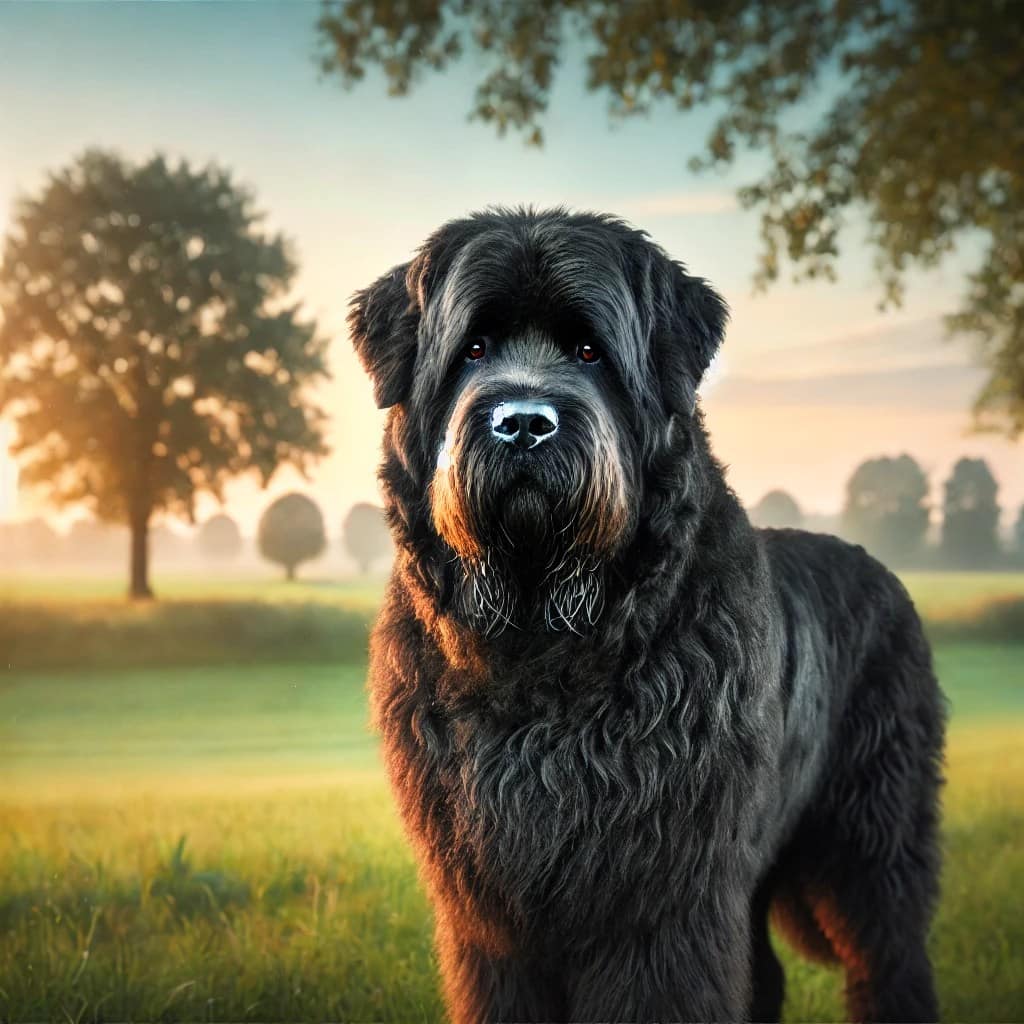
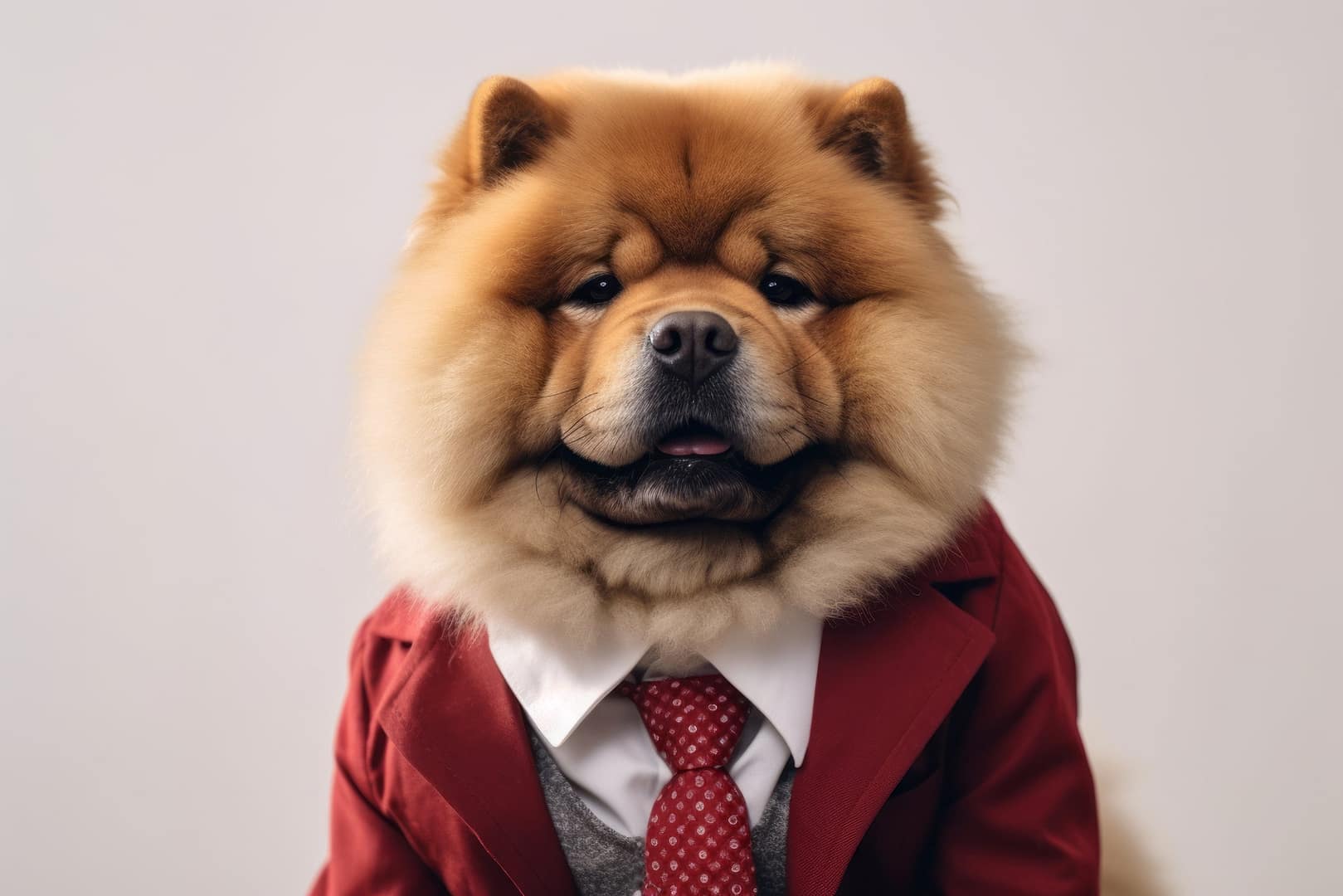
Some familiar breeds in the Rough category: Chow Chow, Bouvier de Flandres, Collie
Curly Coats
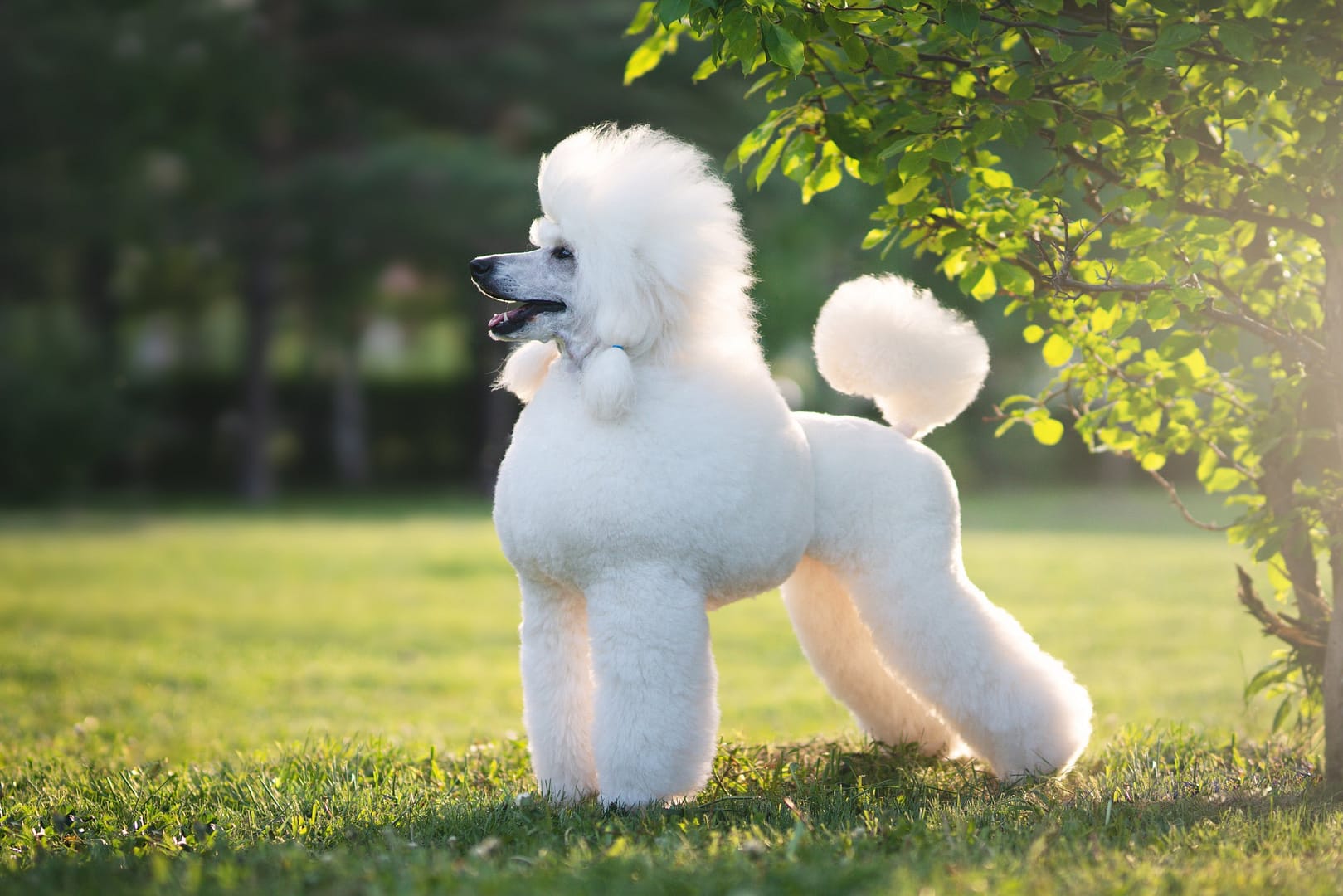
Curly coats are prone to tangling, requiring frequent brushing. These coats don’t shed much, but they still need dead coat removal.
Curly Coat Brush Type: Pin Brush (for show dogs) and Slicker Brush (for most pets)
Brushing Frequency: Daily to Weekly, depending on coat length
De-shedding requirements: Low to None.
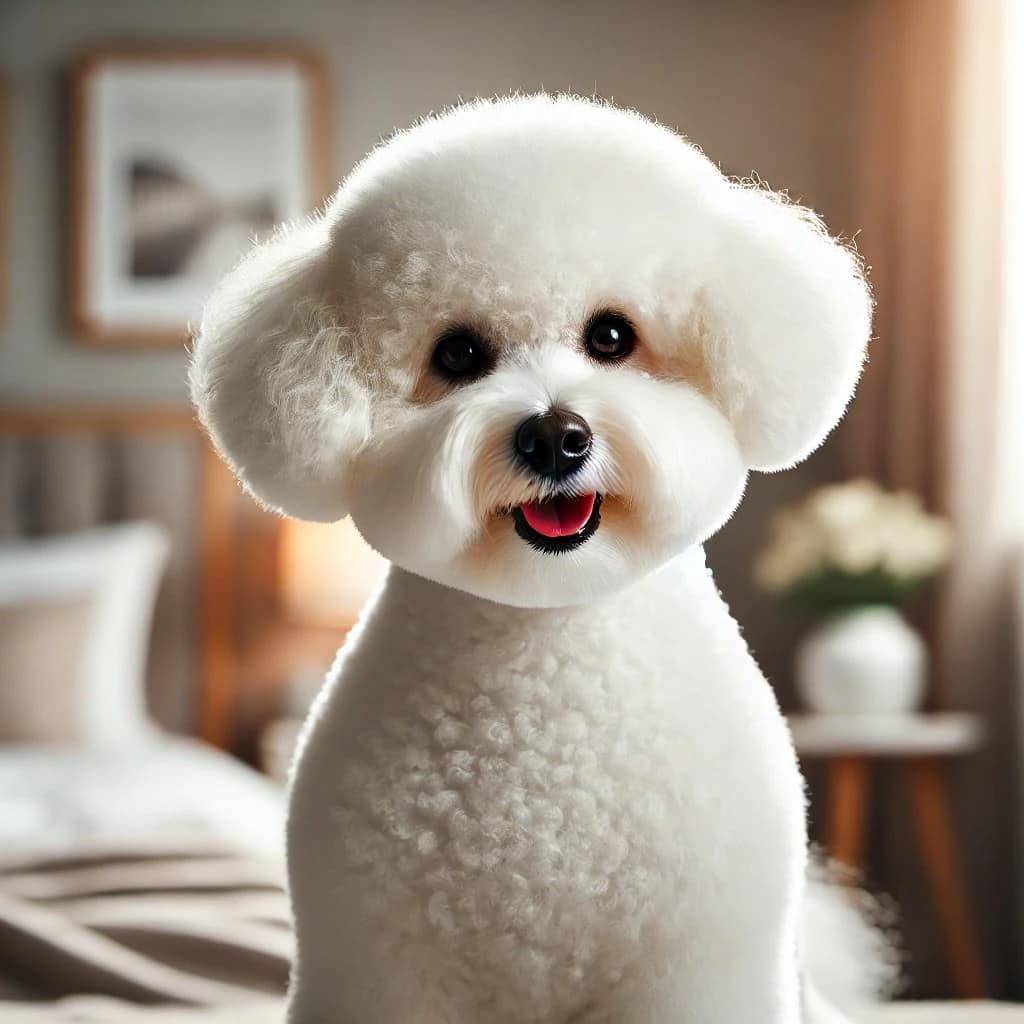
Some familiar Curly Coat breeds: Poodle, Bichon Frise, Bedlington Terrier
Wiry Coats
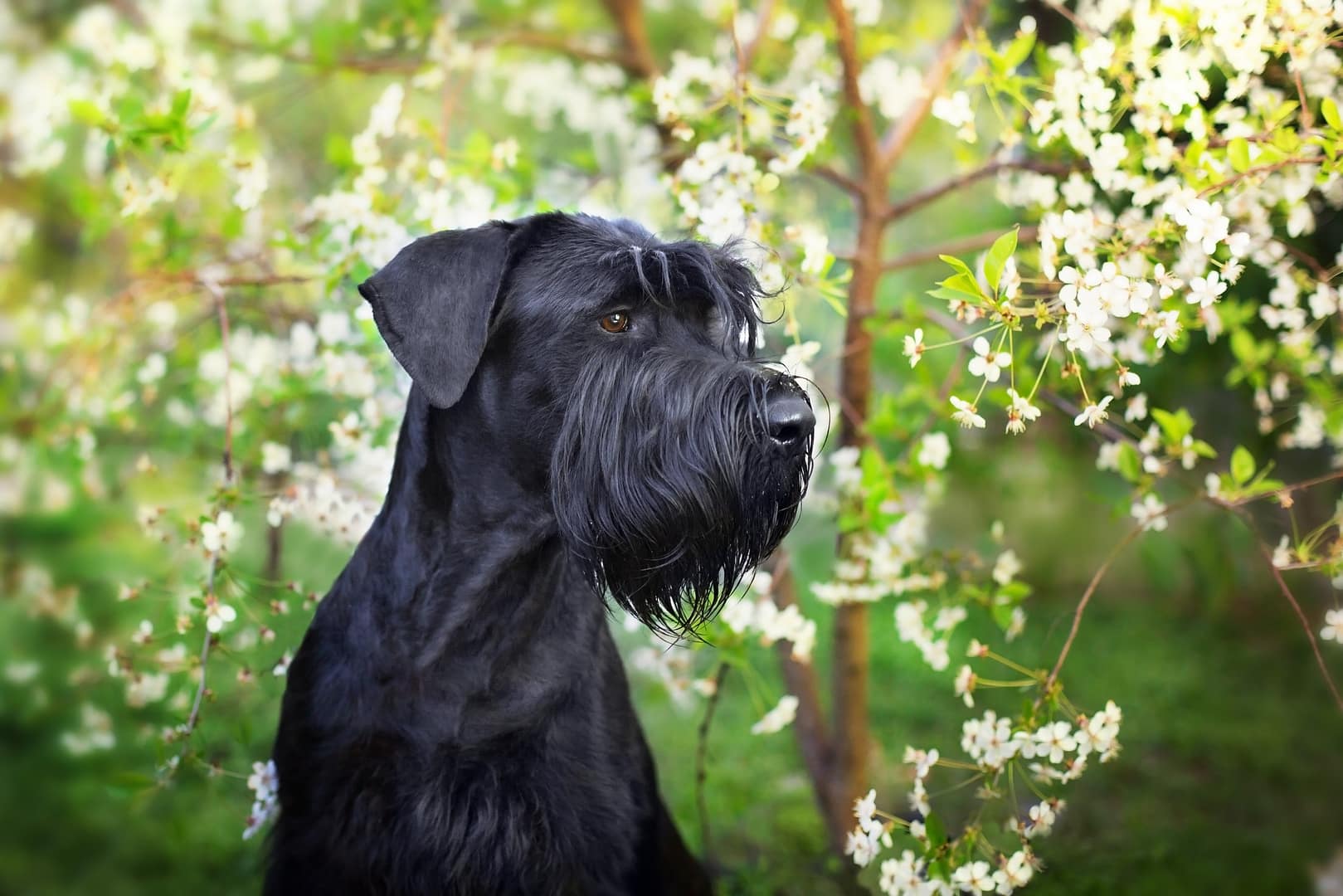
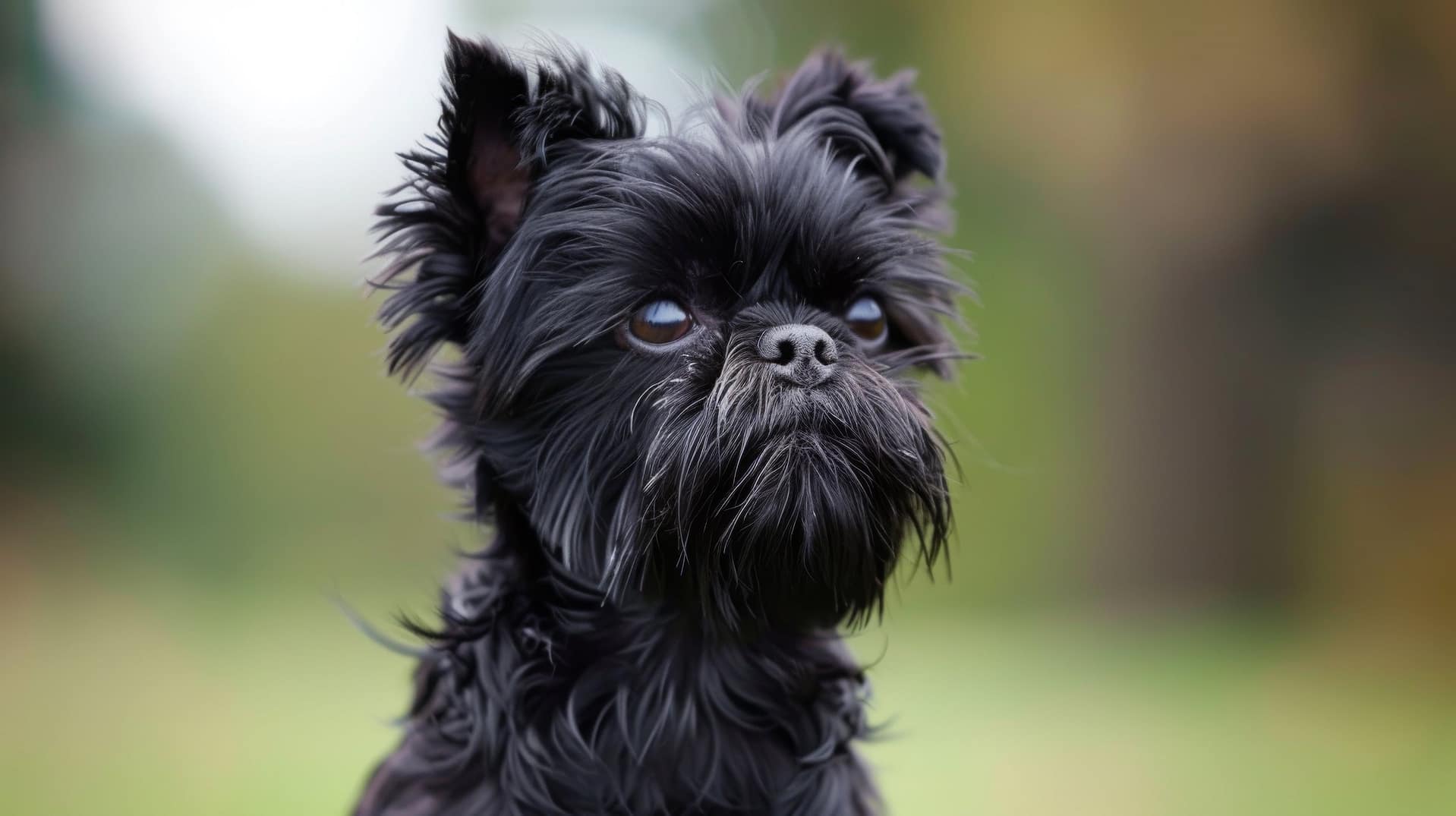
Wiry coats require a special grooming technique called hand-stripping, where dead topcoat is removed. However, regular brushing keeps them tangle-free.
Wiry Coat Brush Type: Slicker Brush
Brushing Frequency: Daily to Weekly, depending on coat length
De-shedding requirements: Low to Medium.
Know some of these Wire Coated breeds? Border Terrier, Brussells Griffon, Giant Schnauzer
Silky Coats
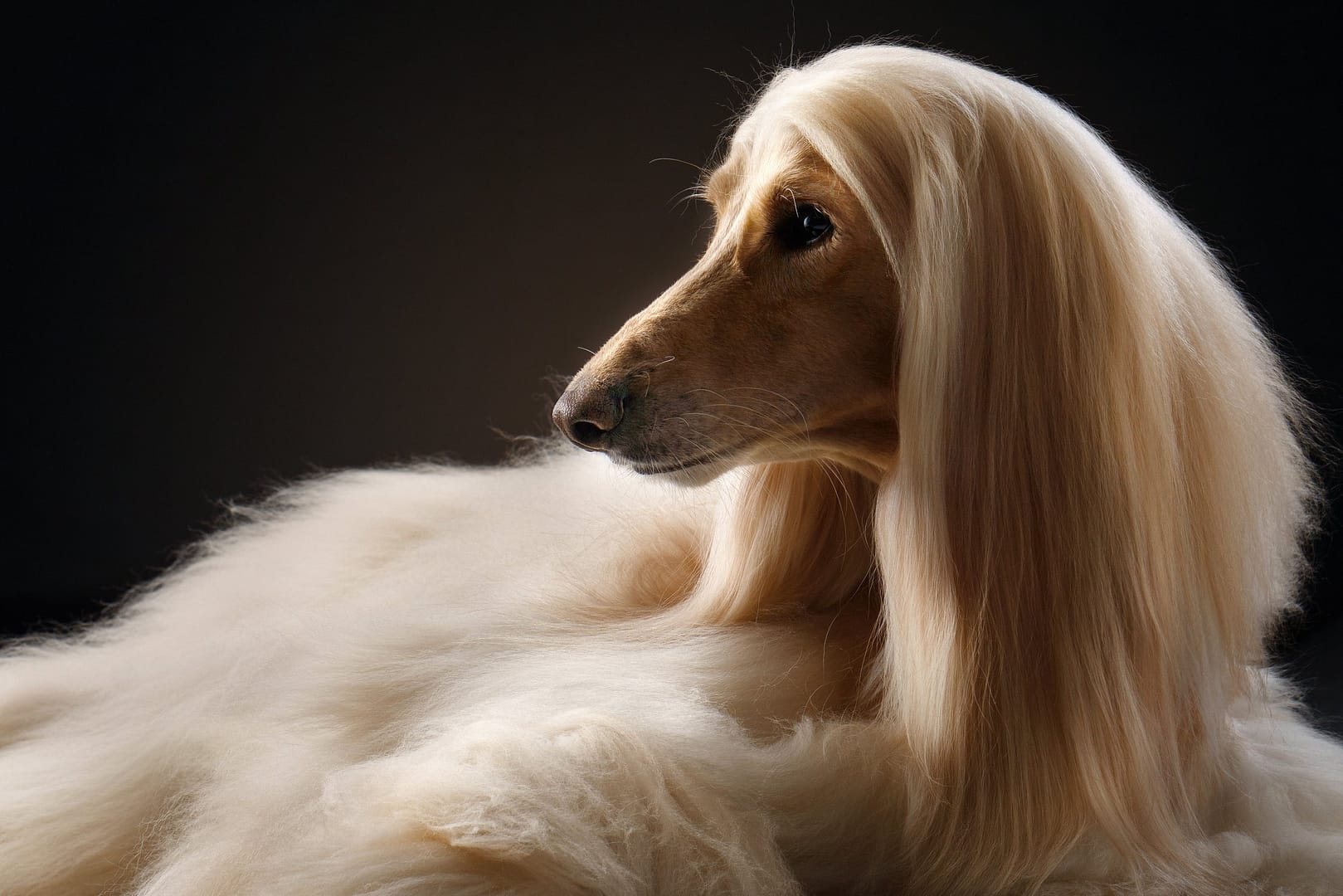
Our silky coated babies have hair that closest resembles our own human hair. You can imagine what would happen if we stopped brushing our hair for weeks at a time! Now, our silky breeds have luxurious, long locks, but many owners prefer to keep their silky coated pups in a shorter length or even in a puppy cut. But whichever style you are choosing for your pup, brushing regularly is the best way to keep their hair silky, shiny, and healthy.
Silky Coat Brush Type: Pin Brush (for show dogs) and Slicker Brush (for most pets)
Brushing Frequency: Daily to Weekly, depending on coat length
De-shedding requirements: Low to None.
Some familiar Silky breeds: Maltese, Afghan Hound, Havanese

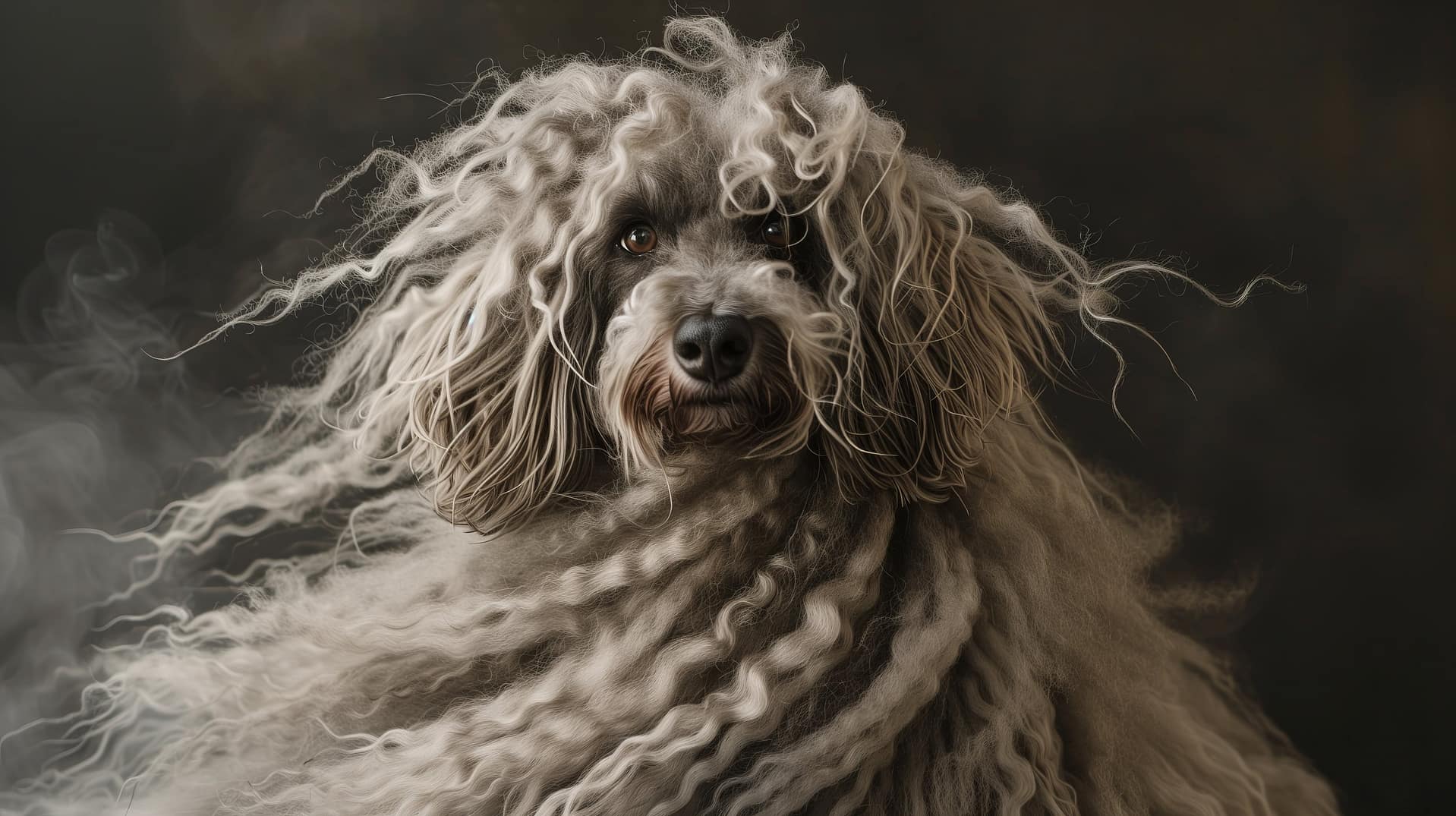
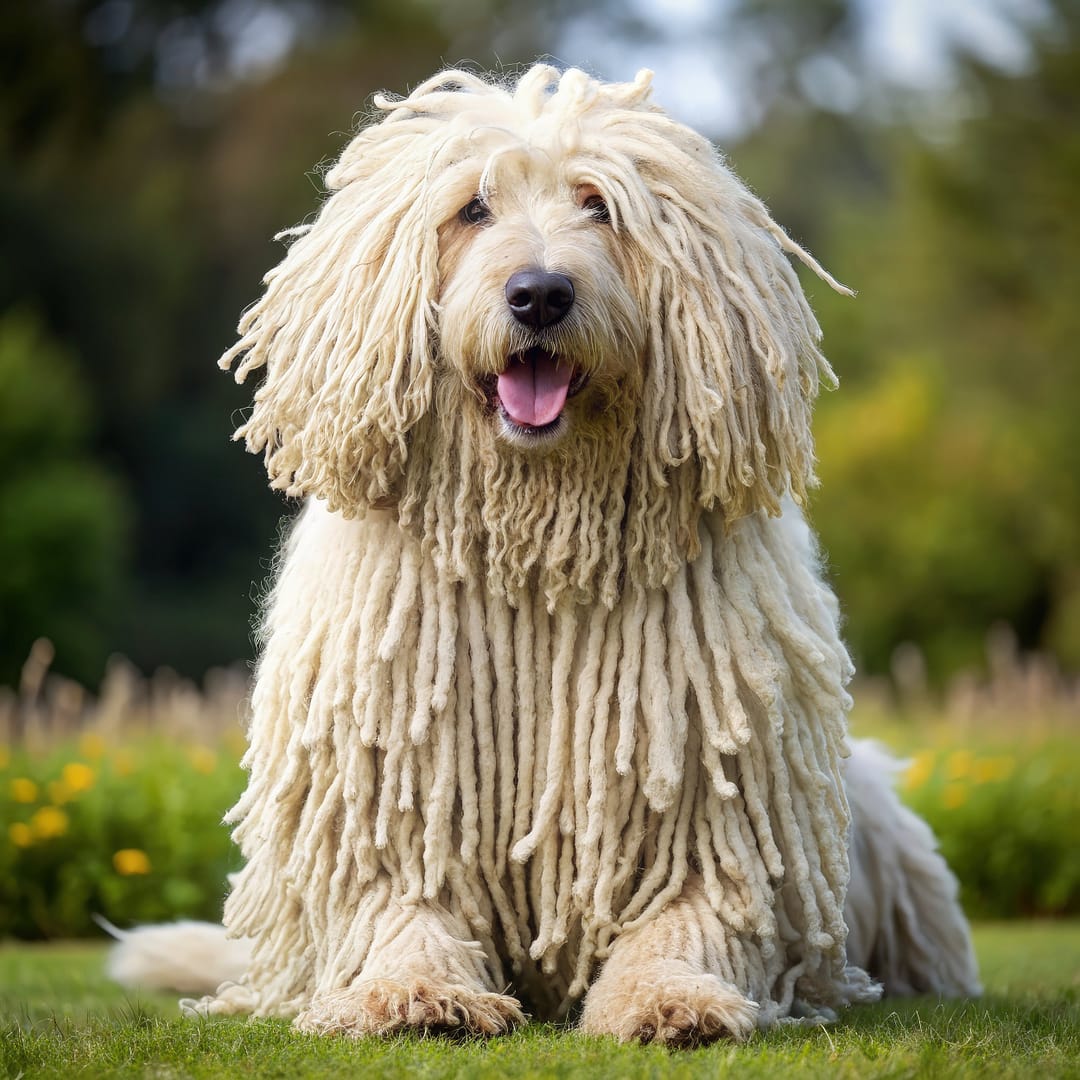
Corded Coats
Is this a trick category, you ask? Well, kind of. If you have a full corded pup (think full-body dreadlocks), there is no need to brush. But if you’re keeping your corded breed in a puppy cut or a custom style other than cording, then you’ll want to follow the guidelines listed for Curly coats.
Corded Coat Brush Type: N/A
Brushing Frequency: N/A
De-shedding requirements: N/A
Some familiar Corded Coat breeds: Puli, Komondor
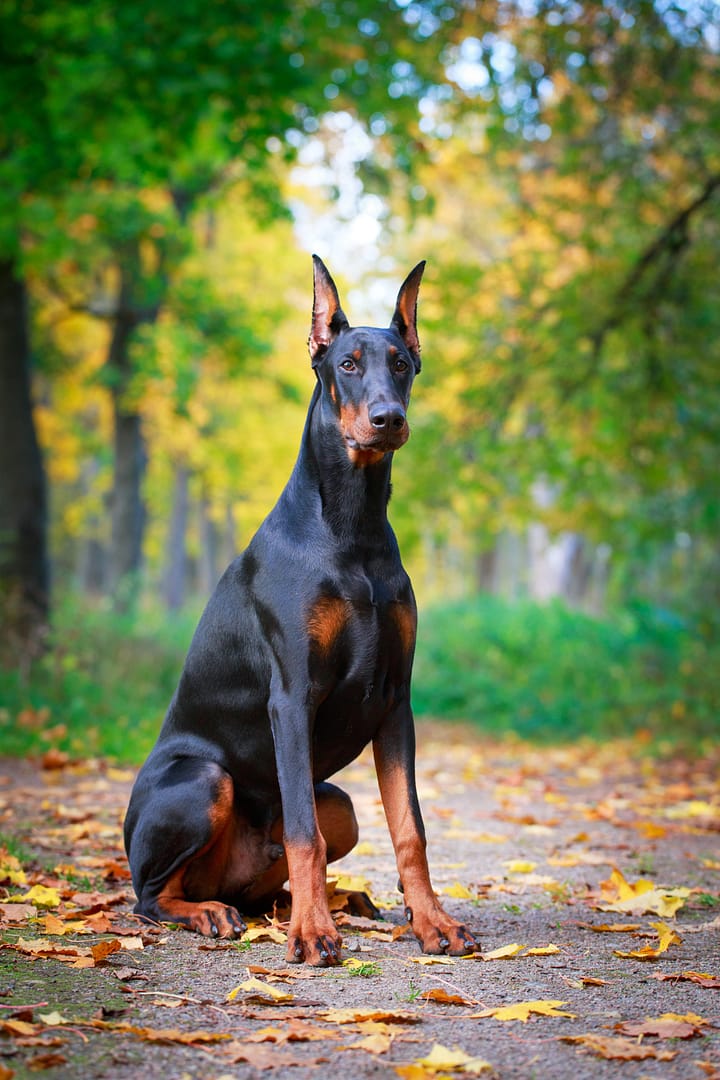
Smooth Coats
Don’t let the name fool you. Just because pups in the Smooth category have short hair, it doesn’t mean that they don’t benefit from regular brushing! In fact, these types of dogs can actually shed a substantial amount, so make sure to make brushing part of your regular routine. And because we’re using gentle bristles or rubber nubs, this type of “brushing” is really more of a massage – and who doesn’t love a good massage!?
Smooth Coat Brush Type: Rubber Brush or Boars Hair Bristle Brush
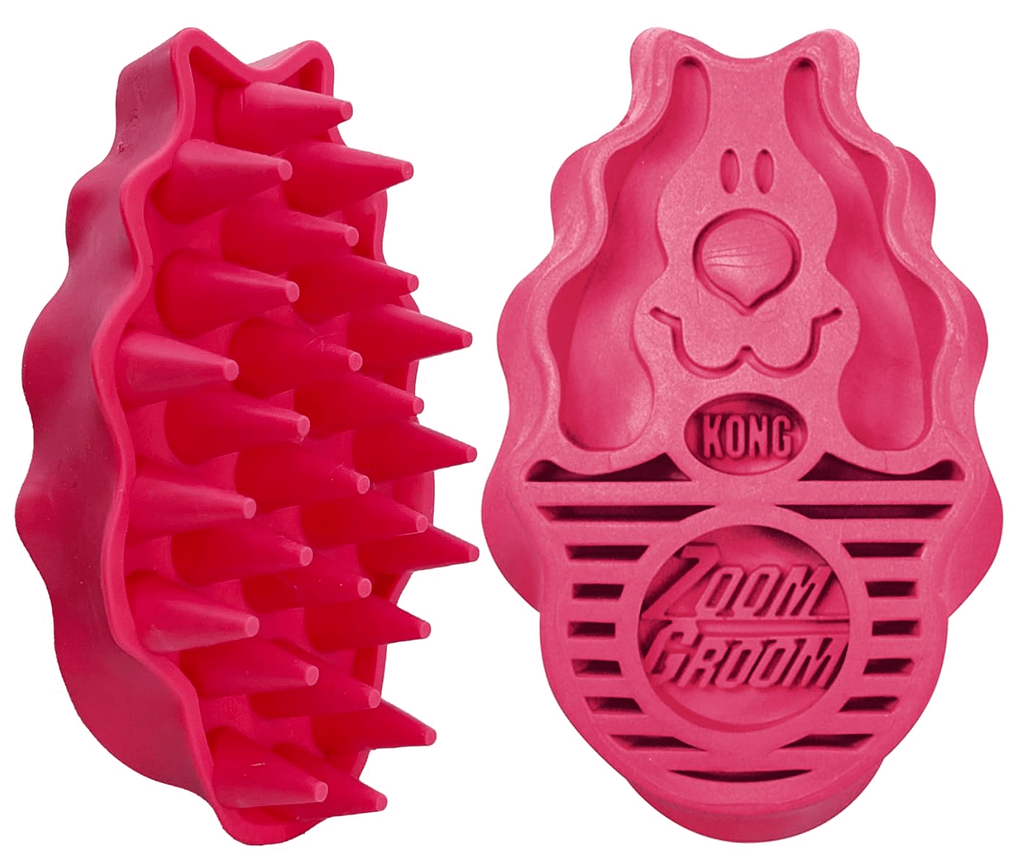
De-shedding requirements: Can be substantial, depending on breed. Using a rubber brush helps pull out any dead coat.
Brushing Frequency: Weekly to Bi-Monthly
Have you seen these Smooth coated breeds? Doberman Pinscher, Greyhound, American Staffordshire Terrier
Double Coats
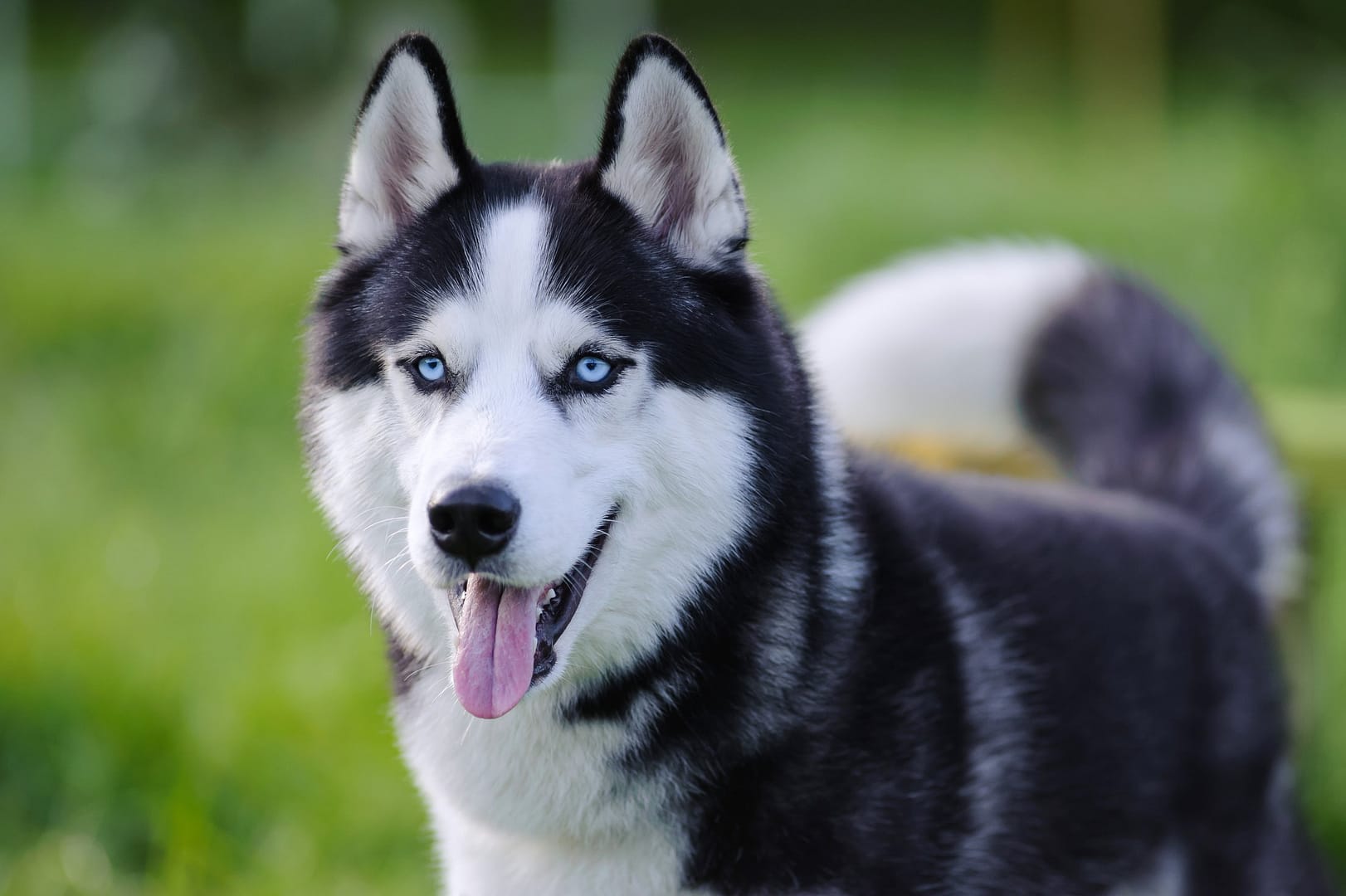
So, the definition of Double Coated breeds, although pretty straightforward in essence, can actually be a bit confusing. This is because many breeds that are part of other coat type categories also have two coats, a topcoat and undercoat, and by pure definition are double coated (think Wiry coats, Wavy coats, and others). However, the pups that fit into the official Double Coated category are those with *substantial* undercoat. We are talking thick undercoat that contributes greatly to the overall structure of the coat. And with this substantial undercoat, we have substantial brushing ahead of us! But no worries, with the right tools and regular attention, brushing your Double-Coated breed can be a breeze! The key is to stay on top of it, and always check your brush work with a metal comb!
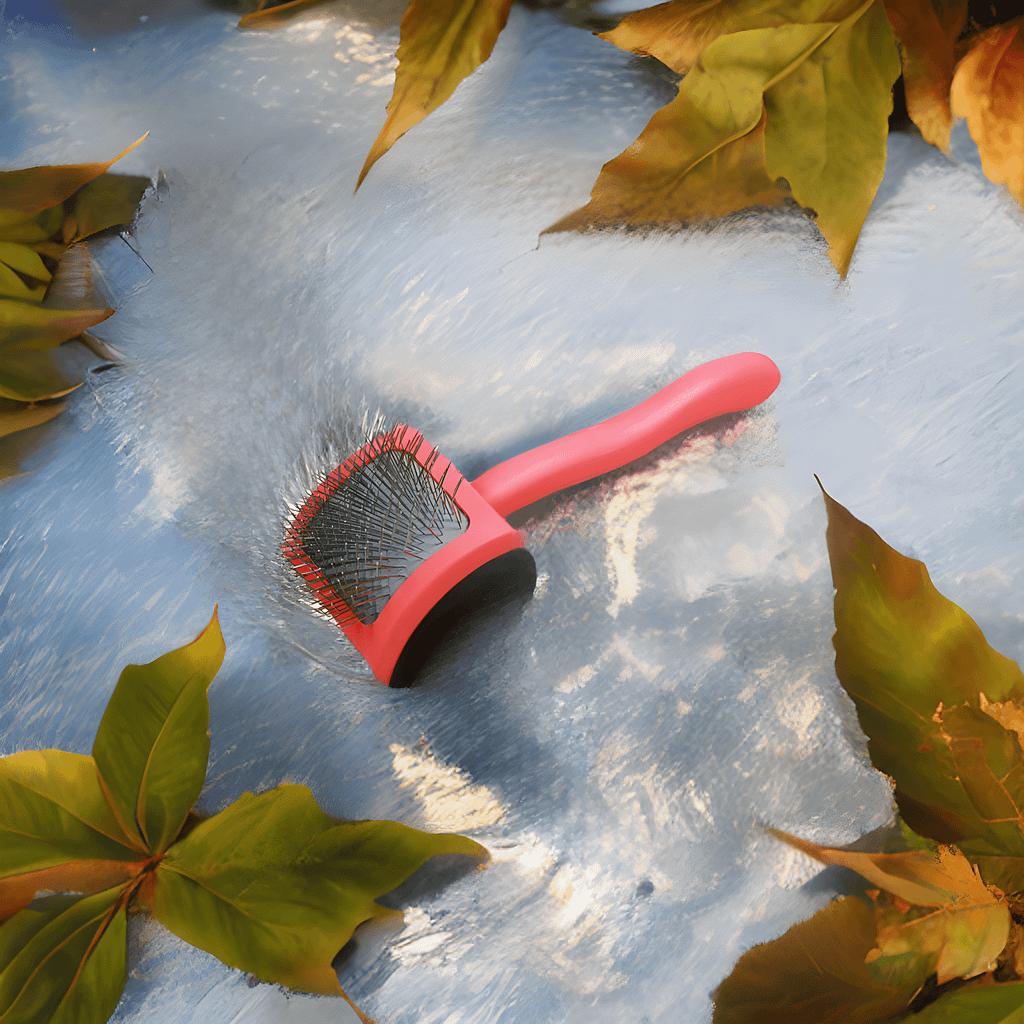
Double Coat Brush Type: Slicker Brush, regular pin and long pin
De-shedding requirements: Medium to High.
Brushing Frequency: Daily to Weekly, depending on coat length and thickness
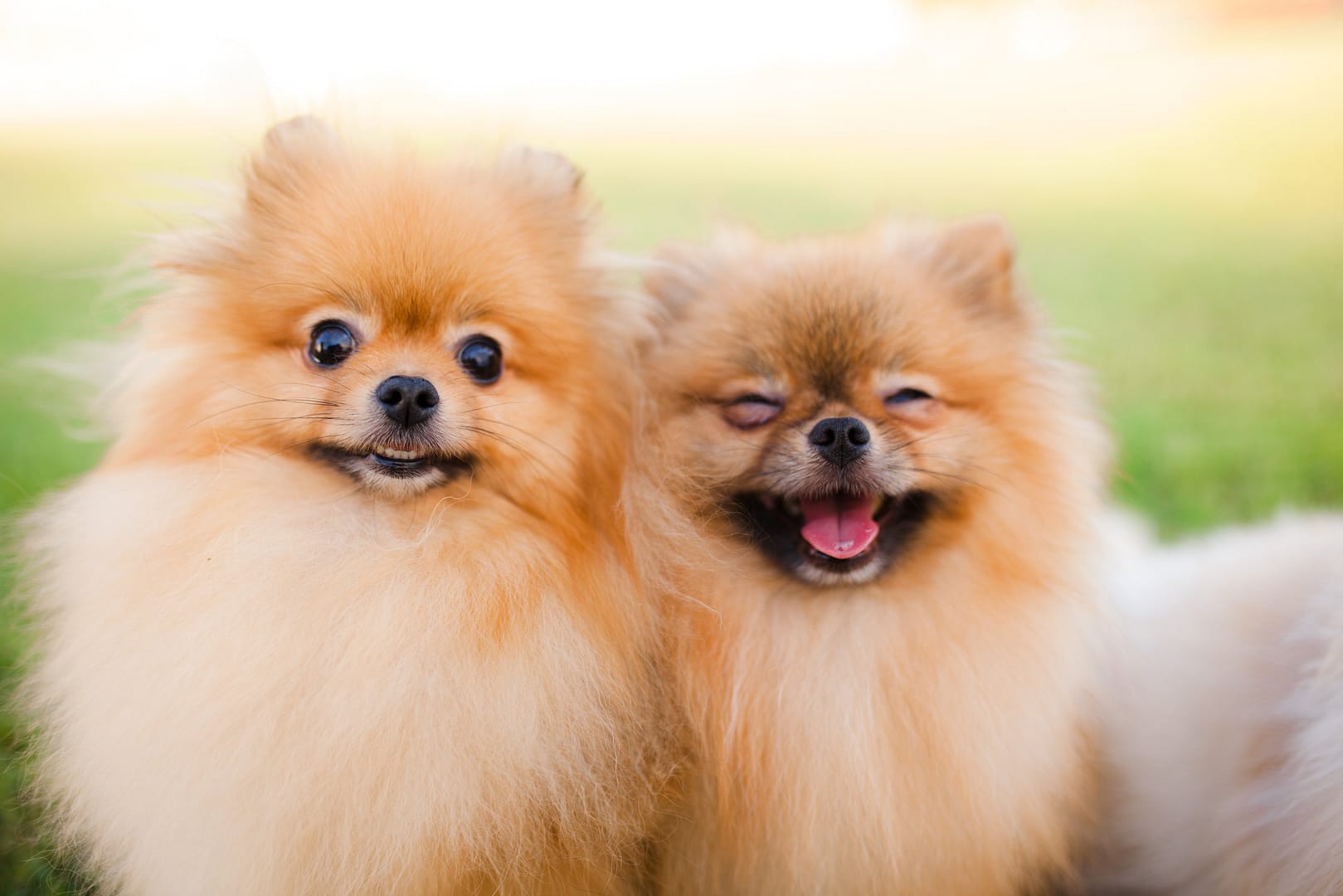
How cute are these double-coated breeds? Samoyed, Siberian Husky, Alaskan Malamute, Pomeranian
Some final thoughts on brushing your pup
Now that you know which brushes to use and how often to brush, the final step is making it a positive experience. Brushing should be a bonding activity between you and your pet. With positive reinforcement, patience, brushing will become an enjoyable routine for both of you. With the right tools and techniques, how to brush a dog’s coat becomes a simple and rewarding routine.
And remember, brushing is just one part of a complete grooming routine. Pair it with choosing the right shampoo for your dog to keep their coat clean, healthy, and beautiful.
Need more info? Our videos may help!
#article