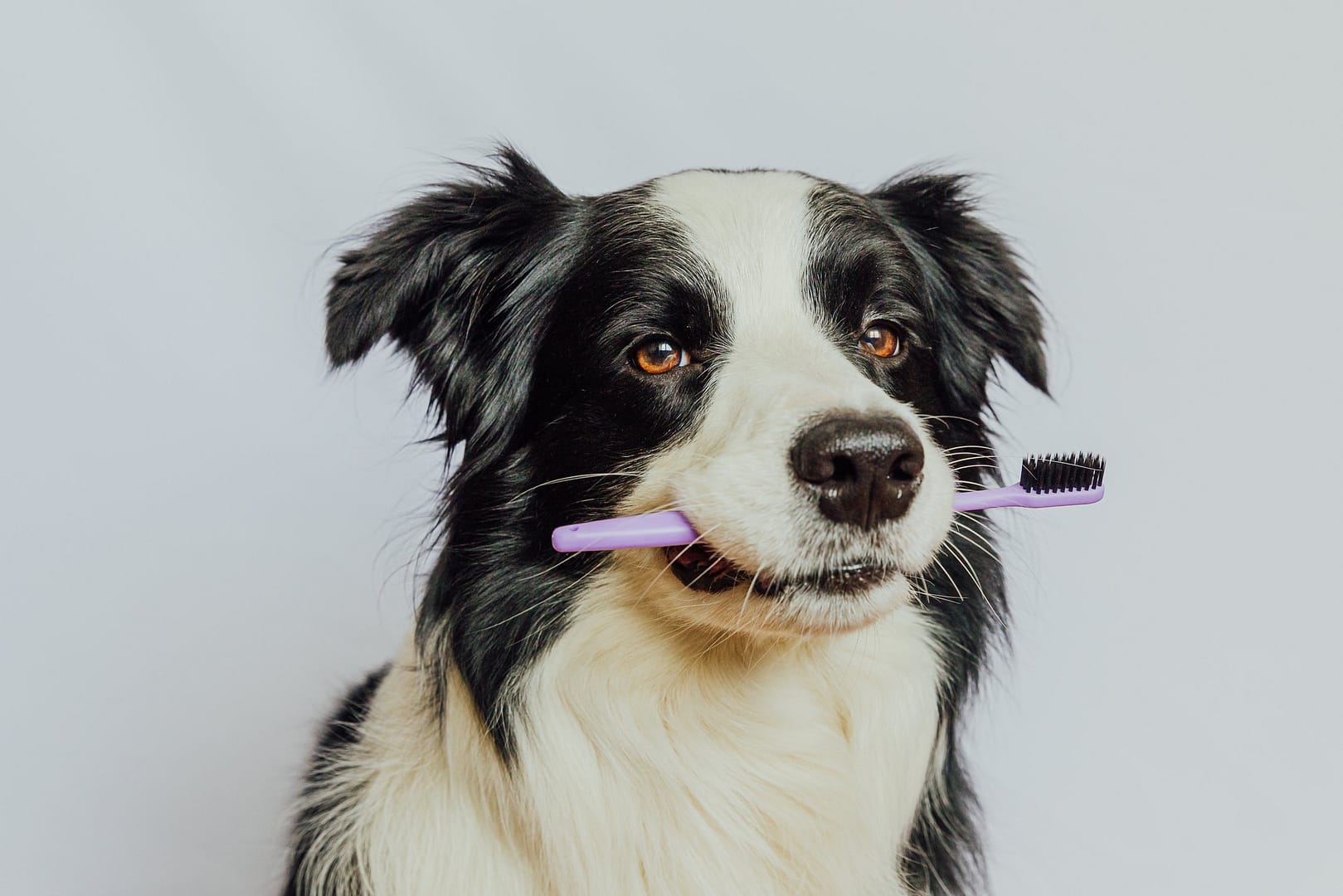
A common question many groomers are asked on the regular is: how often should one brush a dog’s teeth for proper dog teeth brushing & dental care?
For many grooming questions, there is always the *ideal* answer, and then there’s the *realistic* answer. Let’s tackle both.
The Ideal Dental Maintenance for Dogs
The reality is that if we brushed our dog’s teeth as often as we brushed our own teeth from puppyhood, our pets would have sparkly white choppers with minimal tartar and oral health issues – pretty much just like us. But with dogs being dogs (and let’s face it, humans being humans), this regular grooming regimen is not easy to follow, especially when dealing with our household pets.
Realistic Options for Supporting Canine Oral Health
Fortunately, pet health specialists have tackled some of these problems by providing us with alternative oral health options for our dogs that are easier to implement into our daily routines. Before we go into these options, let’s answer a few important questions as they pertain to professional grooming and pet wellness.
Is having my dog’s teeth brushed by the groomer every month enough?
For most dogs, the answer is simply no. Monthly brushing will do very little to support dog teeth brushing & dental care, as it won’t effectively prevent plaque and tartar buildup or stop tooth decay. Your pet may go home with fresher breath after a toothbrushing session with their groomer, but that is very short-lived. The truth is that maintaining proper oral health for your pets requires owner participation. But don’t run away, we can tackle this together!
If a dog’s mouth may be in trouble
If your dog has decaying teeth, swollen gums, tartar buildup, and bad breath, it’s time to see a vet. Depending on the condition, they may suggest treatments, including extractions under sedation. If caught early, professional deep cleaning usually involves one of two options:
Medical Dental Cleaning Under Anesthesia
Your veterinarian and their staff may recommend administering anesthesia to thoroughly clean your pet’s teeth. You’ll see veterinarians recommend this for the most intensive cleaning for pets who tolerate anesthesia well.
Non-Anesthetic Dental Cleaning
Another option that may be available are non-anesthetic dentals, where a technician cleans your pet’s teeth without having them “go under.” Not every pet has the disposition for this type of cleaning, and some conditions may be too severe for this option.
Speak with your veterinarian about the pros and cons of each option and what would work best for your pet.
Over-the-Counter Oral and Dental Care Options for Dogs
Now back to the world of Grooming, where our focus is to assist in the health and wellness of your pet through preventative grooming measures. Let’s go through some of the products and techniques available for the pet owner who understands that canine teeth require regular attention.
Basic Brushing with Enzymatic Toothpaste (formulated for dogs)
Tried and true, and something most humans do daily (we hope!), toothpaste on a toothbrush and gently scrubbing is the most basic dog teeth brushing & dental care option. Unfortunately, some pets dislike the process and aren’t shy about showing it. This can lead to discouragement and dropping the routine, which isn’t best for their health. Let’s dig deeper to find a solution that, while not perfect, helps slow oral problems and is far better than doing nothing.
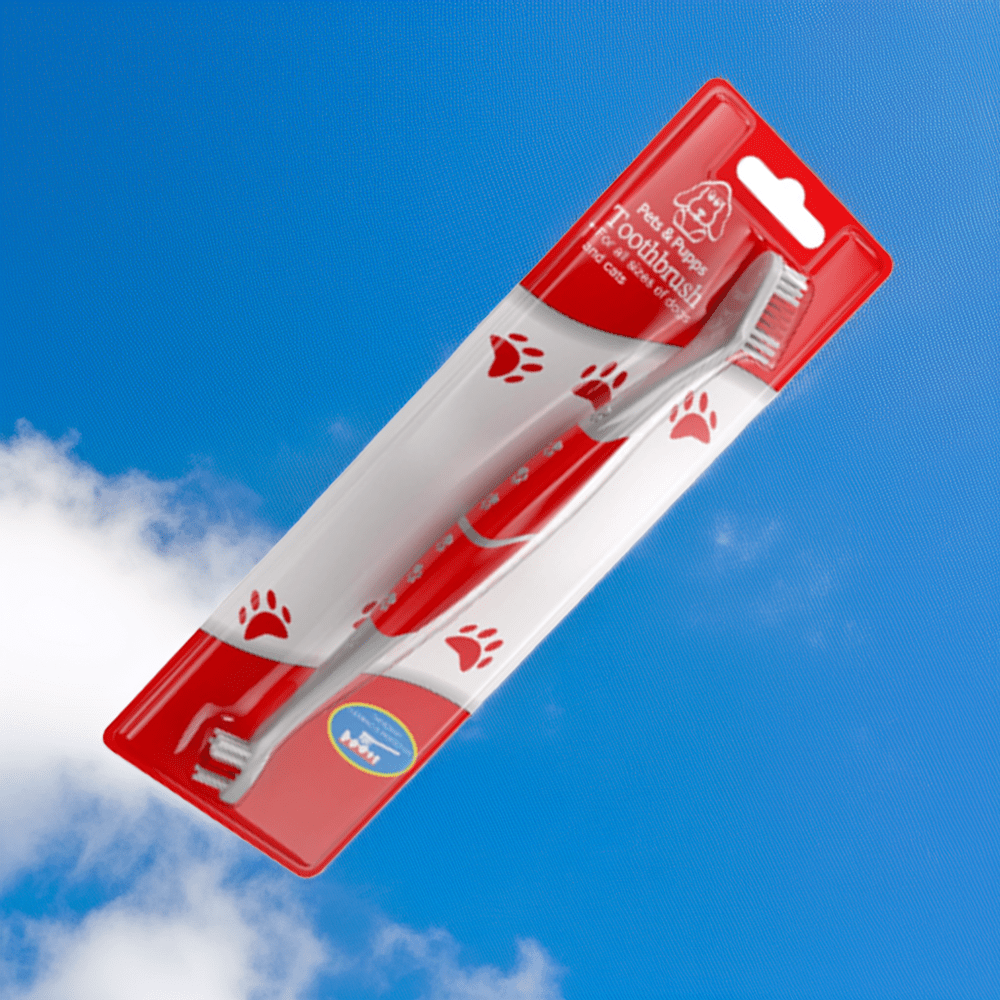
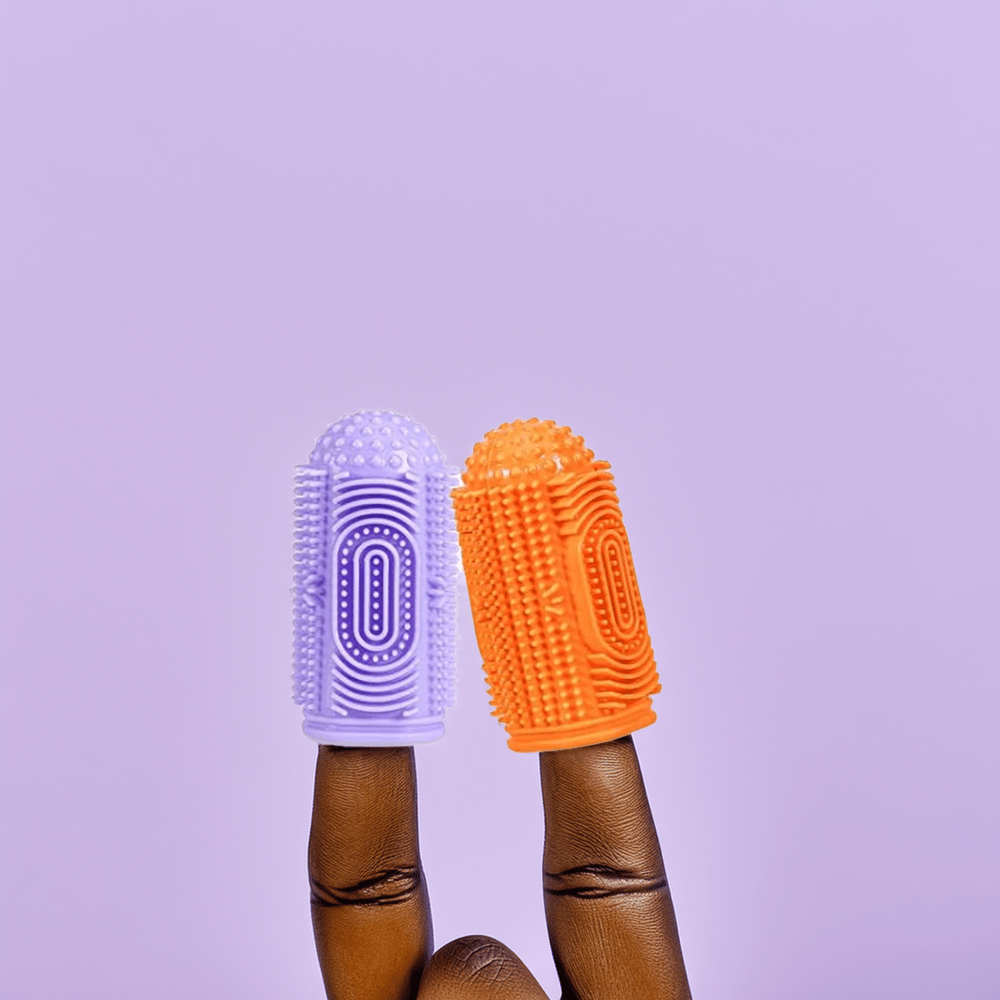
We should mention that there are two popular types of dog toothbrushes, one that looks like our traditional human toothbrush with a stalk and bristles, while the other style fits on your finger and has bristles or nubs so you can gently scrub.
Enzymatic Toothpaste Alone
Putting a dab of doggie toothpaste on your finger and rubbing it along your dog’s teeth and gums is a simple way to support their oral health. It’s less effective than using a toothbrush but still helps break down bacteria. Many dogs tolerate this method better, though some may not. Let’s keep exploring to find the best compromise for your pet’s needs.
Looking for doggie toothpaste? Here’s one of our tested and true favorites:
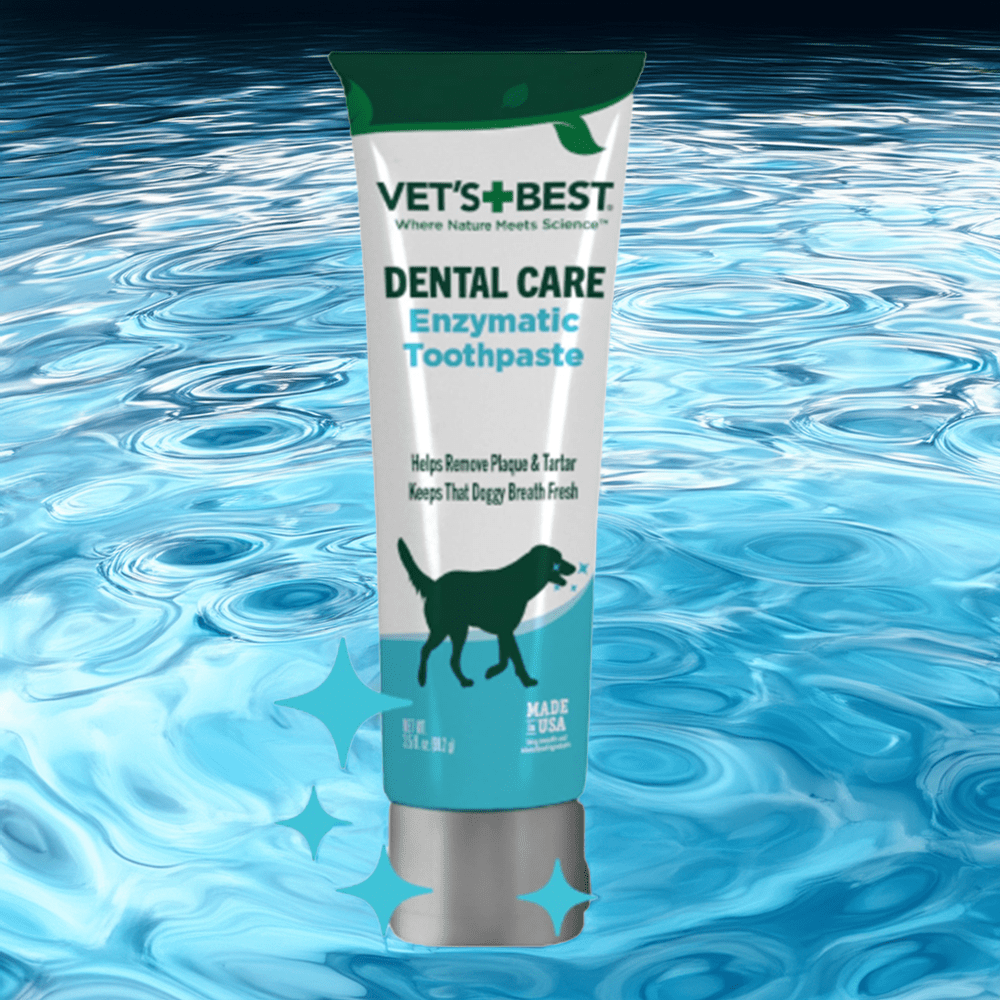
Veterinarian recommended enzymatic doggie toothpaste in a minty flavor
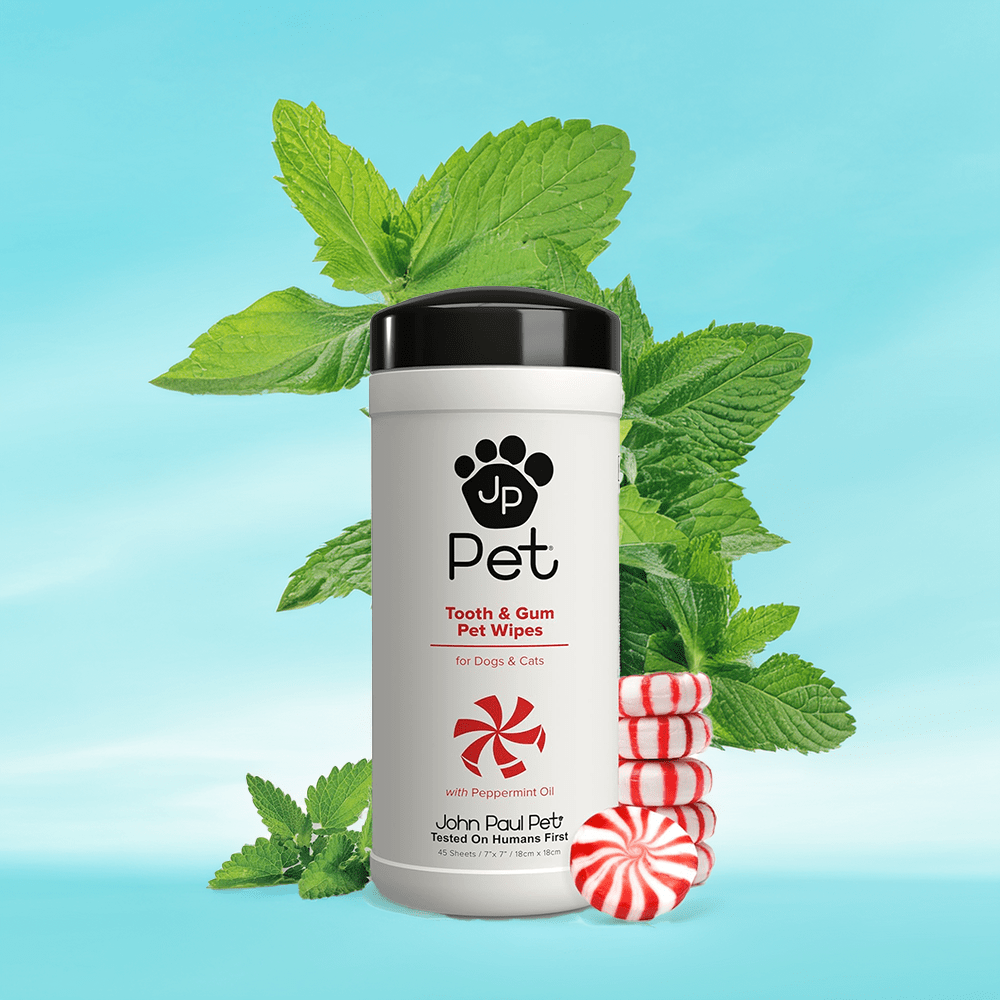
Tooth and Gum Wipes
Wipes can be a great way to make dental attention fast and easy – which is important if your pet is fussy for mouth care. And it adds that bit of friction that really helps wipe off the start of tartar buildup. Some wipes are loaded with anti-microbial solutions to really assist in the fight against bacteria. Here’s some of our favorite wipes with added benefits:
Dental Spray
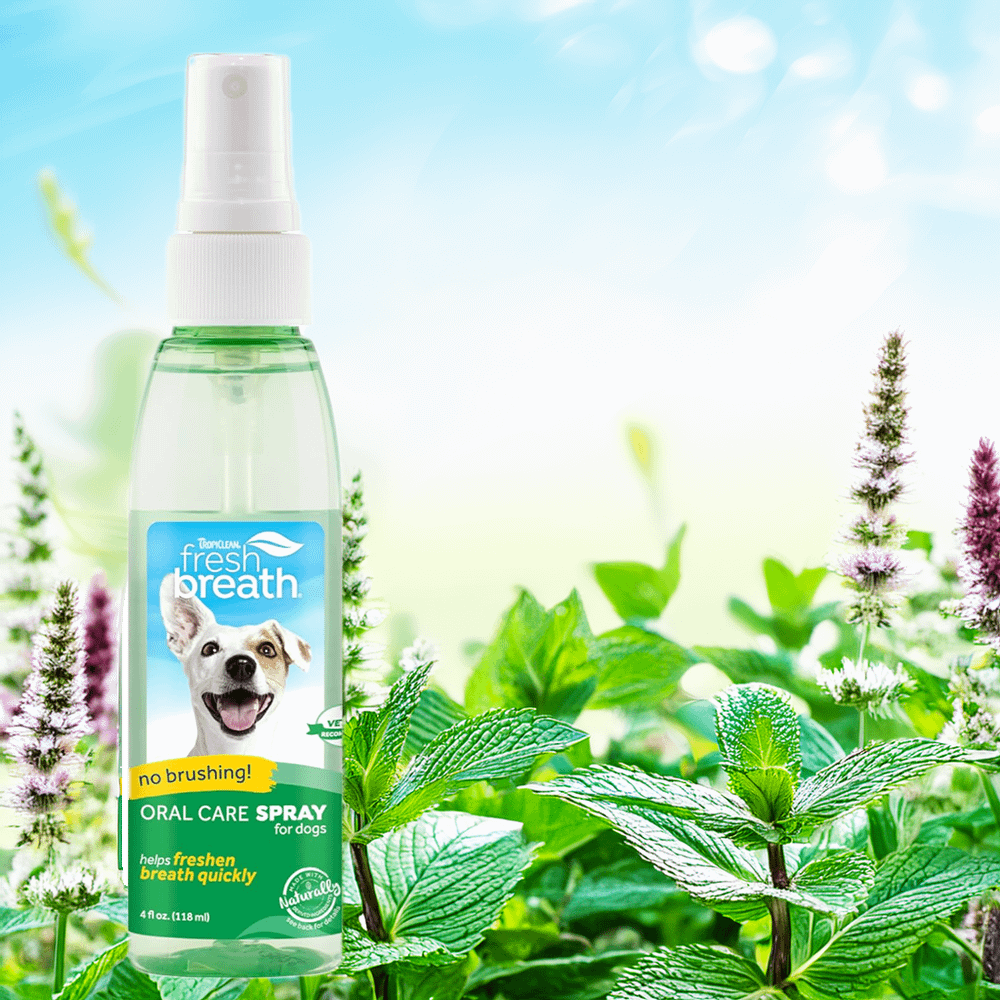
If you have a pet that can handle a quick squirt with a spray, that’s ok, because getting the right product in their mouth helps a ton more than not contributing to the fight against oral bacteria. So, if you need to spray and go, here’s a dental spray that makes an impact:
Oral Care spray from Tropiclean
Water Additives
Some dogs benefit from using water additives to promote better oral health. In a nutshell, you add a special solution to your dog’s water, and it helps keep your pet’s teeth and mouth in better condition. If you choose to try a water additive, make sure it is from a reputable brand with no odor or taste as to not interfere with your pet’s normal water intake.
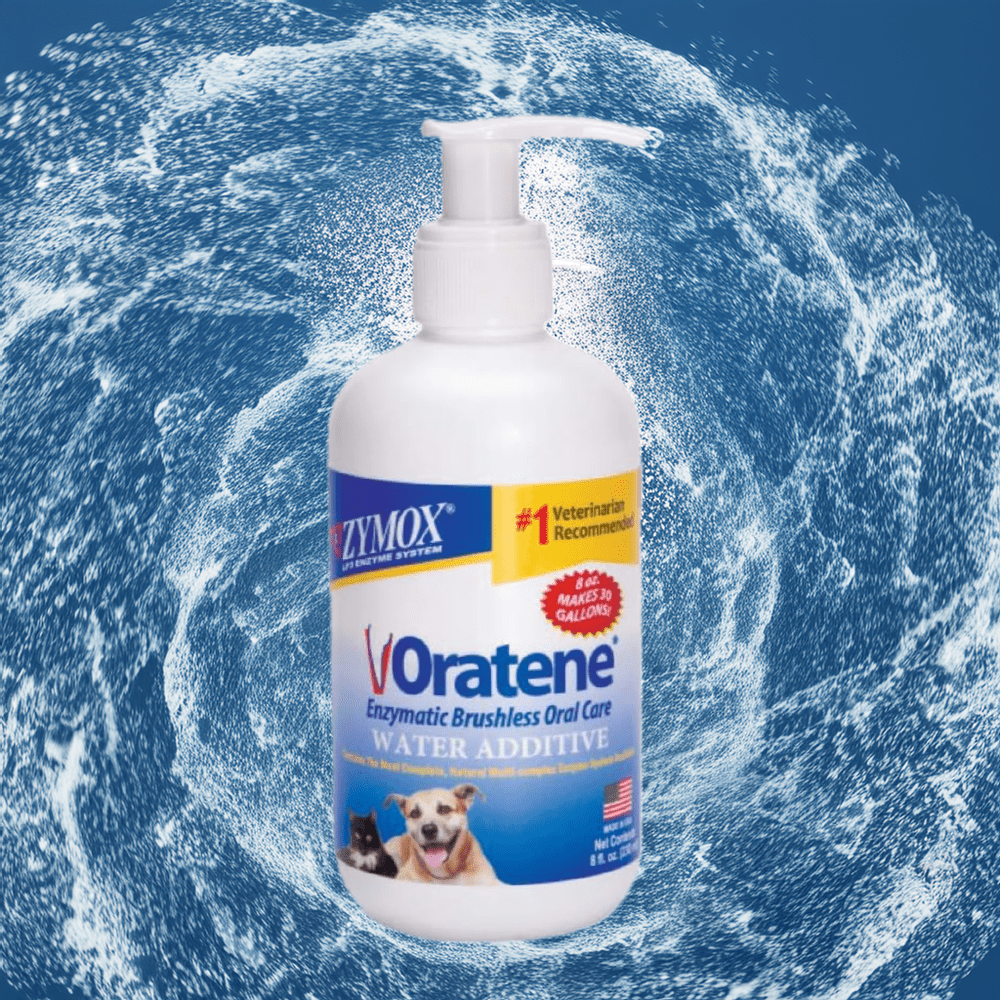
Oral care water additive by one of the industry’s most trusted brands, Zymox.
Dental Treats
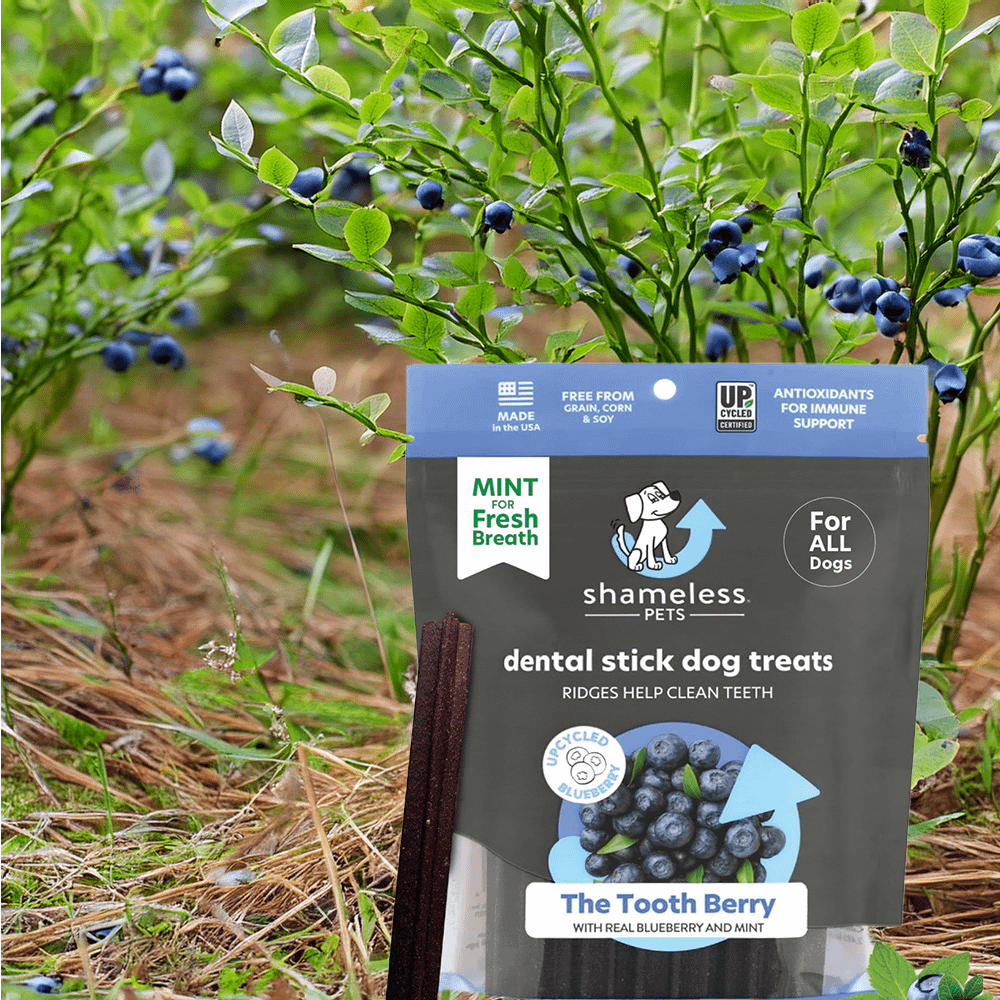
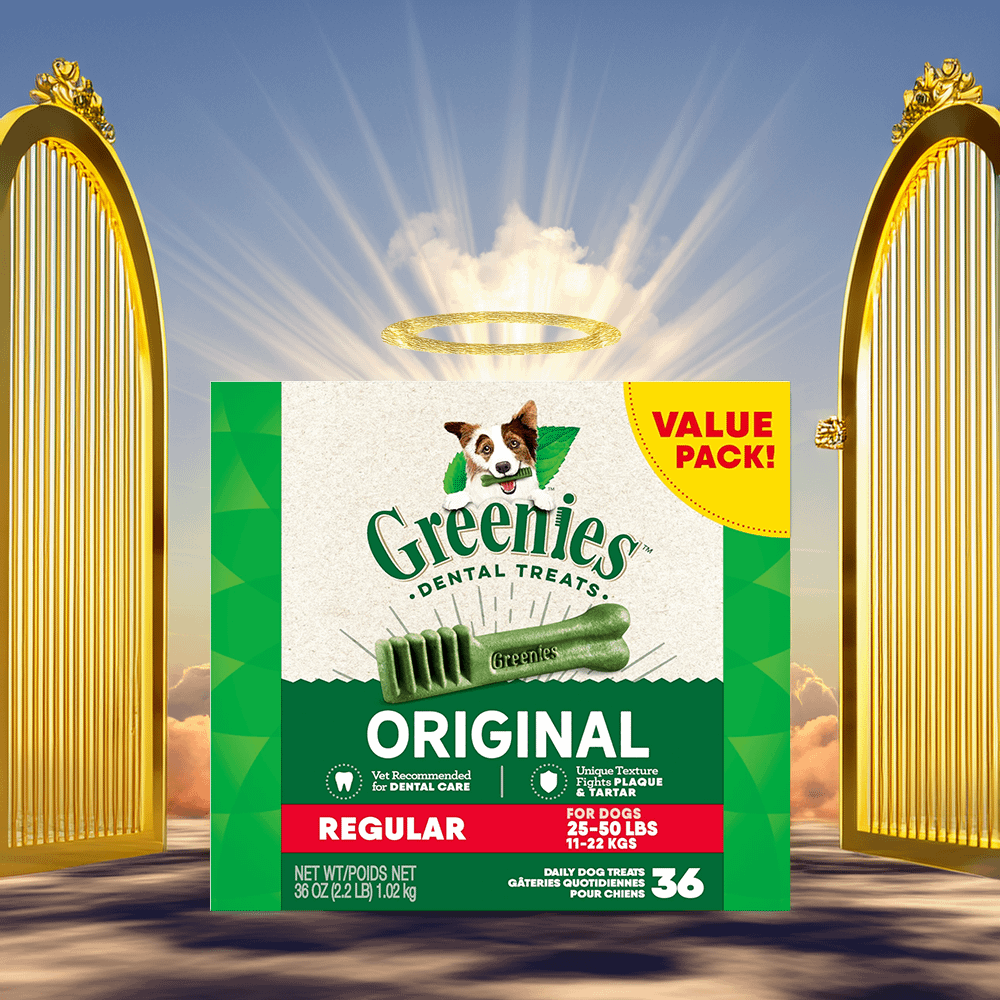
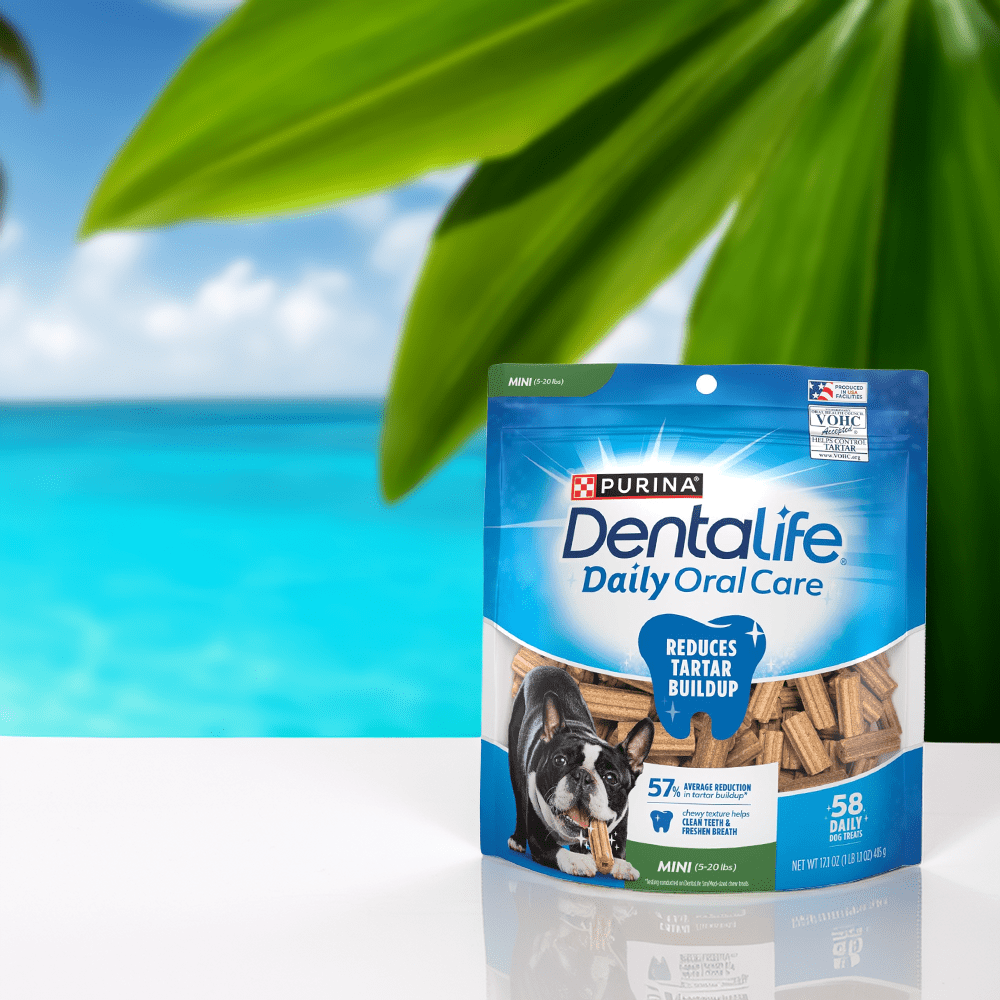
A favorite option for many pet owners, dental treats are a fun way to reward your pet with a treat that is beneficial to their oral health! Many dogs are excited for their dental treat time (quite opposite from their reaction to teeth brushing time) making dental treats a fantastic option. We’ve got a lot of favorites in this category – make sure you choose the right size treat for your pet!
Dental Chews and Toys
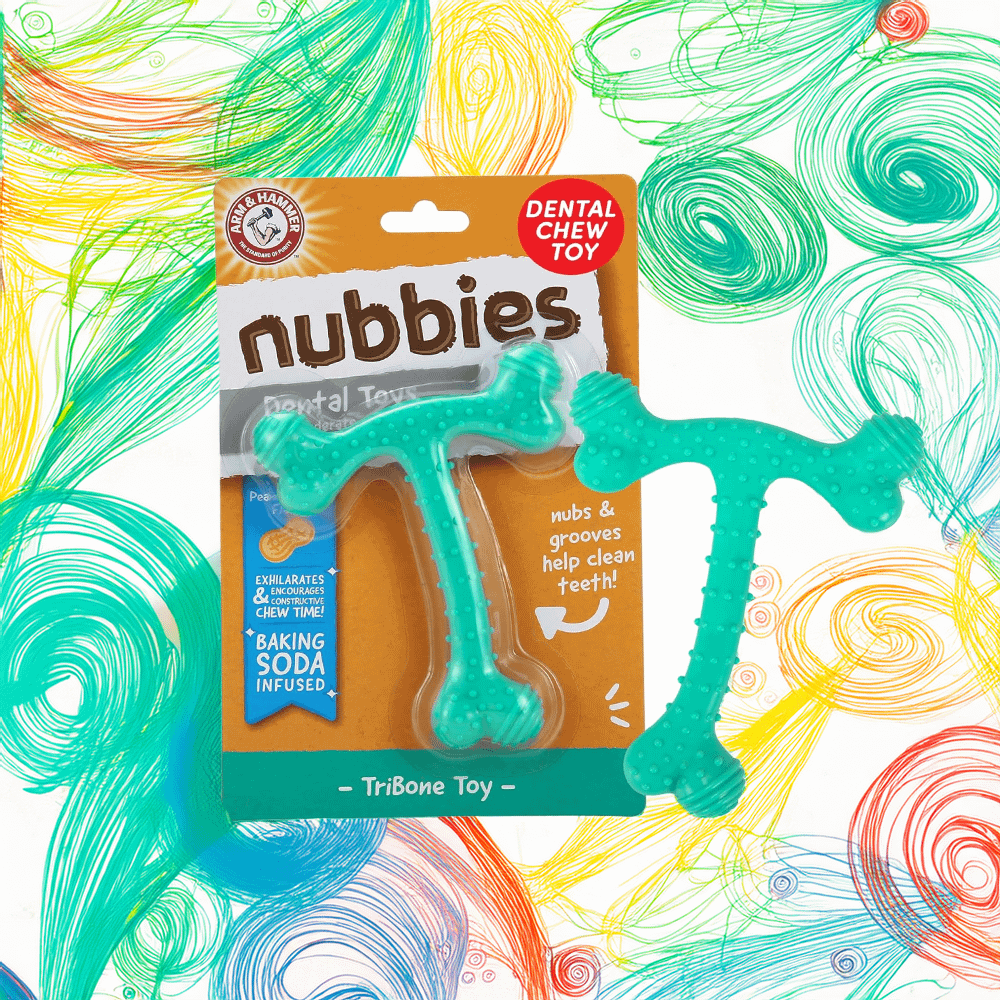
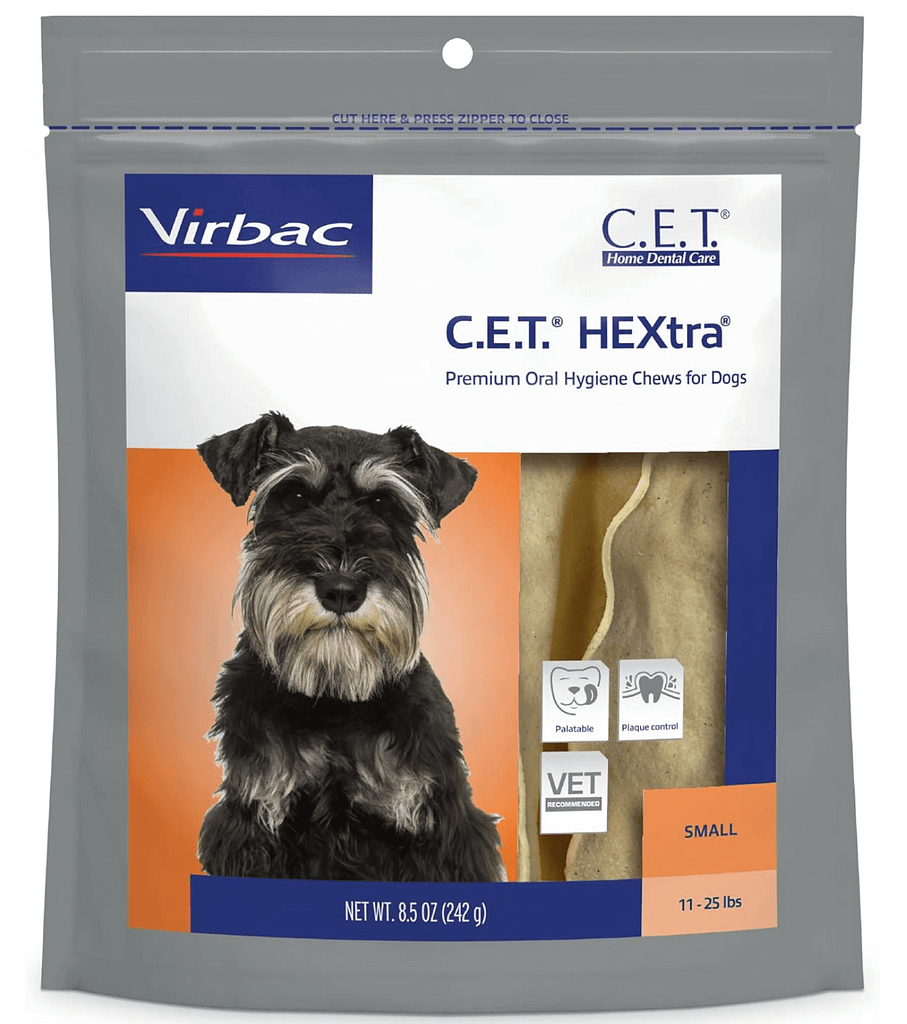
There are a variety of toys and chews that can help with oral hygiene. Plus, many of these chews have nubs that massage and strengthen the gums while helping to scrape off tartar. And when choosing the right dental chew or toy, make sure to pay attention to the size so that it is not too large or small for your pet.
See, there are tons of solutions for canine oral health!
Now that you know the options, you can choose what works best for you and your pet! You don’t have to stick to just one—combine tooth brushing with dental chews, daily treats, water additives, or teeth wipes. Mix and match to find the perfect routine!